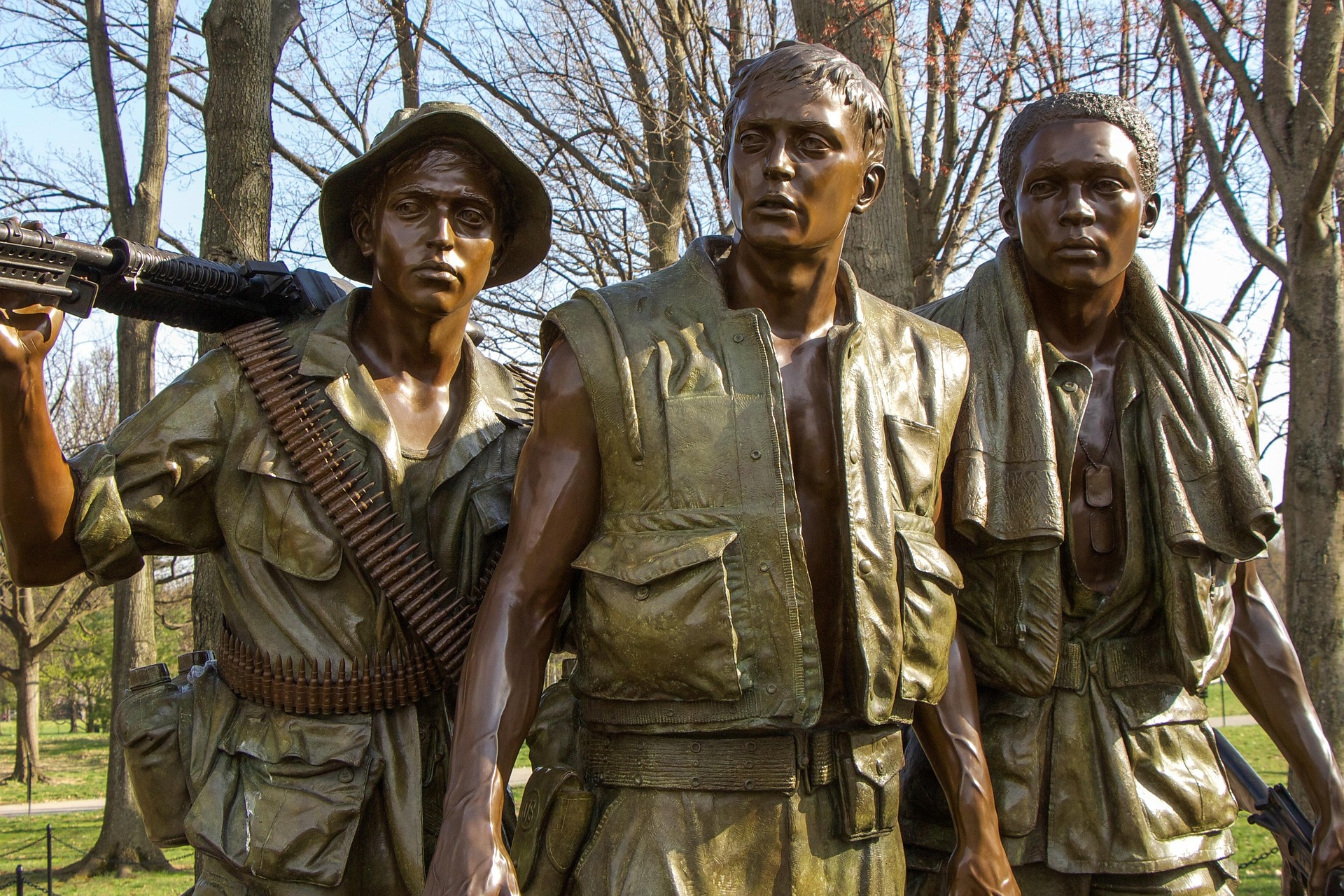
What Vietnam Veterans Can Teach Us About Psychedelic Healing
Long before psilocybin was studied in university laboratories, Vietnam veterans were already learning what it could do. Not through clinical trials. Not through structured therapy. Through the quiet, unsupervised, often desperate search for something — anything — that might help them feel human again.
Vietnam-era veterans were among the first to explore psychedelics for trauma healing, long before modern clinical trials. Their experiences — emotional breakthroughs, reduced hypervigilance, renewed connection — mirror what today's research is confirming. Decades of prohibition delayed this work, and their stories remind us that psilocybin therapy for veterans is not a new idea but a very old one finally receiving the support it deserves.
Their stories have been largely erased from the mainstream psychedelic conversation. But they deserve to be remembered, because what they discovered decades ago is exactly what modern science is now beginning to confirm.
The Counterculture Connection
When American soldiers returned from Vietnam in the late 1960s and early 1970s, they came home to a country that was simultaneously at war with itself. The counterculture movement was in full bloom. Psychedelics were everywhere — LSD, psilocybin, mescaline — not in hospitals, but in living rooms, communes, and the hands of people searching for meaning in a world that felt like it was falling apart.
Many returning veterans found themselves caught between two worlds. The military had no language for what they were feeling. PTSD would not become an official diagnosis until 1980. There was no trauma-informed care. There were no veteran support groups as we know them today. There was only silence, alcohol, and the expectation that a man should come home and move on.
Some veterans, unable to find help through conventional means, turned to psychedelics — not recreationally, but because they were looking for relief from nightmares, rage, numbness, and an unbearable sense of disconnection. They did not have facilitators. They did not have integration therapists. They had each other, and they had substances that, for some of them, opened doors that nothing else could.
What They Found
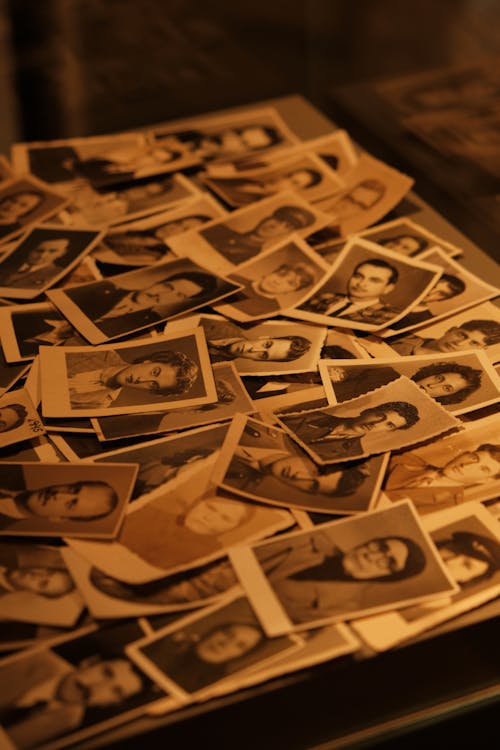
The accounts, when you find them, are striking in their consistency. Vietnam veterans who used psychedelics in those early years describe experiences that sound remarkably similar to what modern psilocybin therapy for veterans participants report today:
- A sudden ability to cry after years of emotional numbness
- Seeing their combat experiences from a different angle — not reliving them, but understanding them differently
- Feeling connected to other people again after years of isolation
- A temporary lifting of the hypervigilance that had governed their nervous systems since coming home
- A sense that the world was not only dangerous — that beauty, meaning, and belonging still existed
These were not party stories. These were men sitting in the dark, alone or with one trusted friend, trying to process what no one else was willing to talk about.
How Their Experiences Were Dismissed
Almost none of it was taken seriously.
By the mid-1970s, psychedelics had been swept into the War on Drugs. Psilocybin and LSD were classified as Schedule I substances — legally defined as having no accepted medical use and a high potential for abuse. The research that had been happening at universities throughout the 1950s and 1960s was shut down almost overnight.1
Veterans who mentioned psychedelic experiences to their doctors were met with suspicion, not curiosity. Their healing was reframed as drug abuse. Their insights were dismissed as hallucinations. The very thing that had given some of them their first glimpse of relief became another reason to be marginalized.
And so they went quiet. For decades.
The Decades-Long Gap
Between the early 1970s and the early 2000s, there was almost no serious research into psychedelics for trauma. Thirty years of potential progress, lost. Thirty years during which veterans continued to struggle with nightmares, substance abuse, broken relationships, and suicide rates that should have been a national emergency.
When researchers finally began studying psilocybin again in the 2000s, they started from scratch — as if no one had ever noticed what these substances could do. The early findings from Johns Hopkins and other institutions were treated as groundbreaking revelations. And they were, scientifically. But for the veterans who had been quietly carrying this knowledge for decades, it was not new at all.2
What Modern Research Is Confirming
Today, institutions like the VA are beginning to study psilocybin and other psychedelics for veteran populations. The early results are promising. Veterans in clinical trials report significant reductions in PTSD symptoms, improvements in emotional regulation, and a renewed sense of connection and meaning.
Every one of these findings echoes what Vietnam-era veterans described half a century ago.
The difference is that now there is a clinical framework. There are facilitators. There is structured therapy built around the experience. There is integration support. There are safety protocols. All of this matters enormously — it makes the process safer, more effective, and more accessible.
But the fundamental insight — that psilocybin can help a traumatized mind see itself and the world differently — was not discovered in a laboratory. It was discovered by men who had no other options.
Lessons About Patience and Stigma
The story of Vietnam veterans and psychedelics teaches us several things that we should not forget:
- Stigma costs lives. When we dismiss substances based on politics rather than evidence, people suffer. The decades-long prohibition of psychedelic research delayed help for millions of veterans.
- Healing does not wait for institutional approval. People in pain will find their own paths. The question is whether we create safe, supported paths or force them into darkness.
- Veterans have always been ahead of the research. Their lived experience has consistently predicted what clinical trials later confirm. Listening to veterans is not just respectful — it is scientifically valuable.
- Patience is sometimes imposed, not chosen. Vietnam veterans did not choose to wait fifty years for validation. They were forced to. The current generation of veterans deserves better — faster research, faster access, and less bureaucratic resistance.3
Honoring What Came Before
As psilocybin therapy moves closer to mainstream acceptance, it is worth pausing to honor the people who walked this path first — without guides, without studies, without anyone telling them it was okay.
Vietnam veterans did not have the language of "psychedelic-assisted therapy." They did not have set and setting protocols. They did not have the luxury of a controlled environment. But some of them found something real in those experiences — a crack in the armor of trauma that let light in, even briefly.
The psychedelic healing movement owes a debt to these men and women. Not because they did everything right — unsupported psychedelic use carries real risks — but because they had the courage to try when no one else was willing to help them.
Their stories remind us that psilocybin therapy for veterans is not a new idea. It is a very old idea, finally being given the scientific and institutional support it always deserved.
Related Articles
- Psilocybin Therapy for Veterans — A comprehensive guide to how psilocybin is being used to support veteran healing.
- VA Psychedelic Research — What the Department of Veterans Affairs is studying and where the research stands.
- PTSD and Psilocybin Therapy — How psilocybin-assisted therapy addresses trauma at its roots.
- Moral Injury vs PTSD — Understanding the dual wounds many veterans carry from service.
- Why Some People Have Incredible Ceremonies but No Lasting Change — The critical role of integration after a psychedelic experience.
References
1. Nutt, D. J., King, L. A., & Nichols, D. E. (2013). "Effects of Schedule I drug laws on neuroscience research and treatment innovation." Nature Reviews Neuroscience, 14(8), 577–585.
2. Griffiths, R. R., et al. (2006). "Psilocybin can occasion mystical-type experiences having substantial and sustained personal meaning and spiritual significance." Psychopharmacology, 187(3), 268–283.
3. Davis, A. K., et al. (2023). "Effects of psilocybin-assisted therapy on major depressive disorder: a randomized clinical trial." Nature Medicine, 29, 2381–2389.