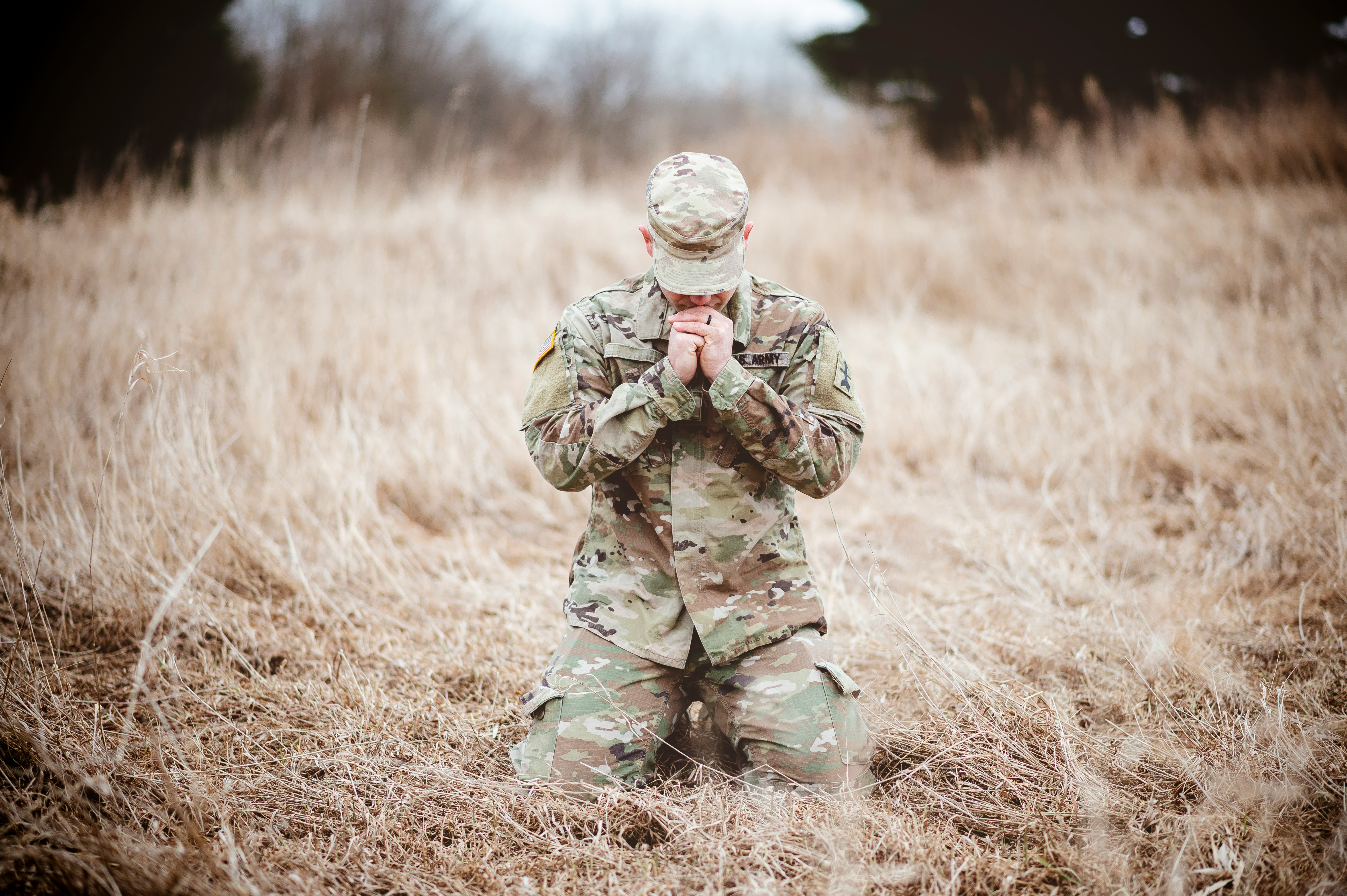
Moral Injury vs PTSD: Why Many Veterans Carry Both
The Weight of Service
Military service can leave profound psychological effects. Among veterans, two forms of trauma-related distress often appear together: post-traumatic stress disorder (PTSD) and moral injury. While they are sometimes intertwined, they are distinct, each requiring careful understanding and attention to support meaningful recovery.
Moral injury is the deep psychological and spiritual wound from experiencing or witnessing events that violate your core moral beliefs — distinct from PTSD, which is rooted in fear and threat response. Many veterans carry both simultaneously. While PTSD responds to exposure-based therapies, moral injury often requires addressing guilt, shame, and existential meaning — areas where psilocybin-assisted therapy shows particular promise.

Understanding PTSD
PTSD is a recognized psychiatric condition that may develop after exposure to life-threatening or overwhelming trauma. Veterans with PTSD may experience:
- Intrusive memories, such as flashbacks or nightmares
- Avoidance of reminders of the trauma
- Negative changes in mood and thought patterns
- Hyperarousal, including irritability or heightened vigilance
At its core, PTSD reflects a fear-based response, in which the brain remains on high alert even after the threat has passed. Evidence-based therapies, including cognitive processing therapy, exposure therapy, and pharmacological interventions, can be effective, yet some individuals find that certain dimensions of their experience remain unresolved.1
Understanding Moral Injury
Moral injury arises when individuals experience events that violate their deeply held ethical or moral beliefs — whether through action, inaction, or observation. Unlike PTSD, moral injury is less about fear and more about guilt, shame, and internal conflict.
Key features of moral injury can include:
- Intense guilt or self-reproach
- Loss of trust in oneself or others
- Spiritual or existential distress
- Disconnection from personal identity or values
Although not formally recognized as a psychiatric diagnosis, moral injury has received increasing attention in clinical research due to its significant psychological and functional impact among veterans.1
Distinguishing PTSD and Moral Injury
While PTSD and moral injury may co-occur, they differ in important ways:
- Source of distress: PTSD arises from threat and fear; moral injury originates from ethical or moral violations.16
- Symptom profile: PTSD manifests as hyperarousal, avoidance, and intrusive memories; moral injury is characterized by shame, guilt, and moral or existential conflict.1
- Treatment focus: Traditional PTSD therapies primarily address fear-based symptoms and may not fully resolve moral or ethical distress, which often requires interventions emphasizing reflection, meaning-making, and self-compassion.5
Research indicates that unaddressed moral injury may complicate PTSD treatment and hinder recovery.6
Limitations of Traditional Therapy
Most conventional trauma-focused therapies aim to help individuals process fear-based memories. While effective for many, these approaches do not always address the moral or existential dimensions of trauma. Veterans experiencing moral injury often benefit from therapies that incorporate values-based reflection, ethical processing, and self-forgiveness.7
Emerging Approaches: Psilocybin-Assisted Therapy
Recent research has explored psilocybin-assisted therapy as a potential adjunct for veterans facing both PTSD and moral injury. Psilocybin, the active compound in "magic mushrooms," is administered in structured, therapeutic settings with trained facilitators.
Mechanisms of Action
Psilocybin engages serotonin receptors and promotes neuroplasticity, which may enhance emotional processing and cognitive flexibility. It may also reduce hyperactivity in the amygdala, facilitating more adaptive responses to traumatic memories.2
Applications for PTSD
Early clinical work suggests psilocybin can help participants engage with trauma in a regulated and safe context, often allowing veterans to process difficult experiences in new ways. Initial studies indicate improvements in emotional regulation, perspective-taking, and symptom severity.23
Applications for Moral Injury
Though research specifically targeting moral injury is still emerging, psilocybin-assisted therapy may:
- Enhance empathy and self-compassion5
- Support meaning-making and perspective shifts25
- Facilitate processing of guilt, shame, and ethical conflict, helping veterans reconnect with themselves and others5
These outcomes are most effective when sessions are accompanied by professional guidance and structured integration, ensuring insights are translated into meaningful change.

The Importance of Integration
Integration refers to the post-session work in which veterans, guided by trained facilitators, reflect on insights, process emotions, and incorporate learnings into daily life. Integration is critical to transforming the experience into lasting psychological and behavioral benefits.35
Conclusion
Veterans often carry both PTSD and moral injury because military experiences can involve both life-threatening events and morally complex situations. While evidence-based therapies are effective for fear-based symptoms, moral injury requires careful attention to guilt, shame, and moral conflict.
Psilocybin-assisted therapy — administered safely, with expert guidance and integration support — offers a promising adjunctive approach. By fostering emotional processing, self-compassion, and meaning-making, it may help veterans address both PTSD and moral injury, supporting deeper, more holistic recovery.
Related Articles
- Veterans and Psilocybin — How veterans are finding healing through mushroom ceremonies in Mexico.
- Guided Psilocybin Mushroom Experiences — What a guided session involves and why facilitation matters.
- Is Psilocybin Therapy Safe for Veterans? — Safety considerations specific to veterans.
- Private vs. Group: Which Setting Works Best for Veterans? — Comparing ceremony formats for trauma work.
- Psychedelic Integration After Psilocybin — Why integration is essential after ceremony.
References
1. Griffin, B. J., Purcell, N., Burkman, K., Litz, B. T., Bryan, C. J., Schmitz, M., Villierme, C., Walsh, J., & Maguen, S. (2019). "Moral Injury: An Integrative Review." Journal of Traumatic Stress, 32(3), 350–362.
2. Modlin, N. L., Williamson, V., Maggio, C., Stubley, J., Kirlic, N., Cleare, A., & Rucker, J. (2025). "Clinical conceptualisation of PTSD in psilocybin treatment: Disrupting a pre-determined and over-determined maladaptive interpretive framework." Therapeutic Advances in Psychopharmacology, 15, 20451253251342319.
3. Modlin, N. L., et al. (2025). "Investigational psilocybin treatment for post-traumatic stress disorder: A qualitative study of participant experience." EClinicalMedicine.
4. Khan, A. et al. (2022). "Review on psilocybin for trauma-related conditions." In VA's Psychedelic-Assisted Therapy for PTSD overview. U.S. Department of Veterans Affairs, PTSD: National Center for PTSD.
5. Kurkova, V., Winkler, O., Greenshaw, A., Jetly, R., Swainson, J., Lodewyk, K., et al. (2025). "Exploring the potential of psychedelic-assisted psychotherapy for moral injury: A scoping review." Progress in Neuropsychopharmacology & Biological Psychiatry, 138, 111333.
6. Levi-Belz, Y., Greene, T., & Zerach, G. (2020). "Associations between moral injury, PTSD clusters, and depression among Israeli veterans: A network approach." European Journal of Psychotraumatology, 11(1), 1736411.
7. McGuire, A. P., Nguyen, B. A., Erickson, T. M., Creech, S. K., et al. (2023). "Moral elevation intervention for veterans with PTSD and moral injury distress: Pilot trial results." JMIR Formative Research.