Traumatic Brain Injury and Psilocybin: What the Emerging Research Tells Us
Traumatic brain injury is one of the most common and least discussed consequences of military service. Often called the "invisible wound of war," TBI affects hundreds of thousands of veterans, many of whom continue to experience symptoms years or even decades after the initial injury. Current treatments offer limited relief, and for many veterans, the cognitive, emotional, and psychological effects of TBI remain a daily reality.
Traumatic brain injury affects over 450,000 post-9/11 veterans and is often called the invisible wound of war. Current treatments manage symptoms but do not address the underlying neurological damage. Emerging psilocybin research shows promise through multiple mechanisms — neuroplasticity, potential neurogenesis, anti-inflammatory effects, and default mode network modulation — that are directly relevant to TBI recovery.
Emerging research into psilocybin — the active compound in psychedelic mushrooms — is beginning to suggest that it may offer unique benefits for the brain that are directly relevant to TBI. While this research is still early, the mechanisms being studied are promising enough that they deserve serious attention from anyone interested in psilocybin therapy for veterans.
How Common Is TBI Among Veterans?
Traumatic brain injury has been called the signature wound of the Iraq and Afghanistan conflicts. According to the Defense and Veterans Brain Injury Center, over 450,000 U.S. service members were diagnosed with TBI between 2000 and 2021. The vast majority of these are classified as mild TBI, commonly known as concussions, but the word "mild" is misleading.1
Even so-called mild TBI can produce lasting symptoms including:
- Chronic headaches and migraines
- Memory problems and brain fog
- Difficulty concentrating
- Irritability, mood swings, and emotional dysregulation
- Sleep disturbances
- Depression and anxiety
- Light and noise sensitivity
These symptoms can persist for years, and when combined with PTSD — which co-occurs with TBI in an estimated 33 to 50 percent of cases — the result is a deeply entangled set of conditions that is extremely difficult to treat with conventional methods.2
Blast Injuries vs. Impact TBI: A Critical Distinction
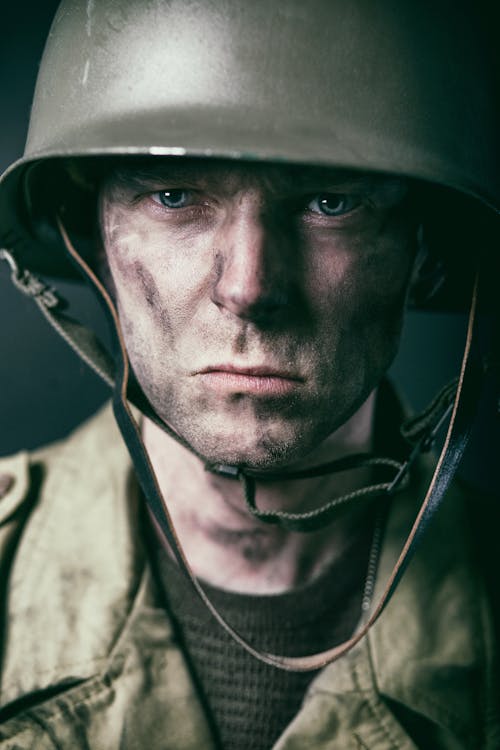
Most civilian TBI research focuses on impact injuries — falls, car accidents, sports collisions. Military TBI is different. While service members certainly experience impact TBI, the predominant mechanism in combat zones is blast exposure from improvised explosive devices (IEDs), rocket-propelled grenades, and other explosives.1
Blast-related TBI involves a pressure wave that passes through the skull and brain tissue, creating a diffuse pattern of injury that is fundamentally different from a localized impact. This blast wave can:
- Damage the blood-brain barrier
- Create widespread microstructural damage to white matter tracts
- Trigger chronic neuroinflammation that persists long after the initial event
- Affect multiple brain regions simultaneously
What makes blast TBI particularly insidious is that it often does not show up on standard imaging. A veteran may have a "normal" MRI but still experience profound cognitive and emotional symptoms. This disconnect has historically led to underdiagnosis, dismissal, and inadequate treatment.3
Many veterans also experienced repeated blast exposures — not just one event, but dozens or hundreds of sub-concussive blasts from breaching operations, heavy weapons use, and proximity to explosions. The cumulative effect of these repeated injuries is an area of active research, and early findings suggest it compounds the damage significantly.
Why Current Treatments Fall Short
The current treatment landscape for TBI is limited. Standard approaches include:
- Cognitive rehabilitation therapy — retraining memory, attention, and problem-solving skills
- Medications for symptoms — antidepressants for mood, sleep aids for insomnia, pain medications for headaches
- Physical therapy for balance and vestibular issues
- Psychotherapy — particularly for the emotional and psychological fallout
These approaches can help manage symptoms, but none of them address the underlying neurological damage. There is currently no FDA-approved treatment that promotes brain repair or reverses the neuroinflammation and neurodegeneration associated with TBI.2
For veterans dealing with both TBI and PTSD, the situation is even more complicated. PTSD treatments like prolonged exposure therapy can be less effective when cognitive impairment from TBI makes it harder to engage in the therapeutic process. And medications prescribed for one condition can sometimes worsen the other. This is part of why many veterans are exploring alternatives, including psilocybin therapy for PTSD.
What Psilocybin Does in the Brain: Neuroplasticity, Neurogenesis, and Anti-Inflammation
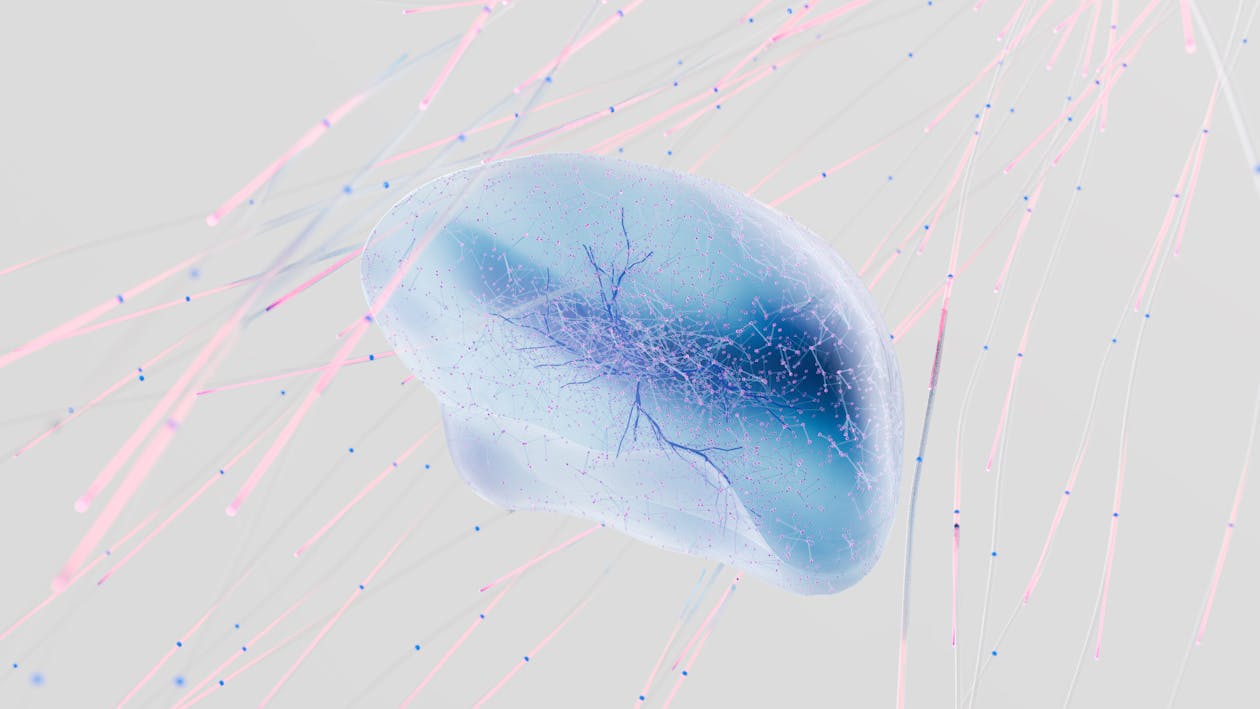
This is where the emerging research on psilocybin becomes relevant. Psilocybin and its active metabolite psilocin primarily act on serotonin 5-HT2A receptors, but their effects extend far beyond simple receptor activation. Researchers have identified several mechanisms that are directly relevant to TBI recovery.4
Neuroplasticity. Psilocybin has been shown to promote neuroplasticity — the brain's ability to form new neural connections and reorganize existing ones. In animal studies, a single dose of psilocybin increased dendritic spine density and synaptic connectivity, and these changes persisted for at least a month after the dose.4 For a brain that has been damaged by blast exposure or repeated concussions, the ability to form new connections could be profoundly significant.
Neurogenesis. Some research suggests that psychedelics may promote the growth of new neurons, particularly in the hippocampus — a brain region critical for memory and emotional regulation that is frequently damaged in TBI. While most of this evidence comes from animal models, it suggests that psilocybin may do more than just change perception. It may help the brain physically rebuild.5
Anti-inflammatory effects. Chronic neuroinflammation is one of the primary drivers of long-term TBI symptoms. The initial injury triggers an inflammatory cascade that can persist for years, causing ongoing damage to brain tissue. Psilocybin has demonstrated anti-inflammatory properties in preclinical research, particularly in reducing pro-inflammatory cytokines such as TNF-alpha. If psilocybin can reduce neuroinflammation, it could address one of the root causes of chronic TBI symptoms rather than just masking them.6
The Default Mode Network Connection
One of the most studied effects of psilocybin is its impact on the default mode network (DMN) — a set of interconnected brain regions that are active during self-referential thinking, mind-wandering, and rumination. The DMN is closely associated with our sense of self, autobiographical memory, and the stories we tell ourselves about who we are.7
In both TBI and PTSD, the DMN often becomes dysregulated. Veterans may experience:
- Persistent rumination — getting stuck in loops of negative thinking
- Rigid thought patterns — inability to see situations from new perspectives
- Disconnection from sense of self
- Difficulty with emotional processing
Psilocybin temporarily disrupts DMN activity, allowing the brain to break out of rigid patterns and form new connections between regions that don't normally communicate. Many researchers believe this is why psilocybin experiences often produce lasting shifts in perspective, emotional processing, and psychological flexibility.7
For a veteran whose brain has been locked into maladaptive patterns by both physical injury and psychological trauma, this temporary "reset" of neural network activity could create a window for meaningful healing that other treatments have not been able to provide.
What This Means for Veterans

It is important to be clear: we do not yet have clinical trials specifically studying psilocybin for TBI in veterans. The evidence we have comes from preclinical studies, animal models, and extrapolation from psilocybin research in depression and PTSD populations. Dedicated TBI-psilocybin research is needed, and several organizations are beginning to pursue it.
However, the convergence of multiple mechanisms — neuroplasticity, potential neurogenesis, anti-inflammatory effects, and DMN modulation — makes psilocybin one of the most scientifically interesting candidates for TBI recovery that has emerged in recent years. No other single intervention addresses all of these pathways simultaneously.8
For veterans specifically, the relevance is amplified by several factors:
- TBI and PTSD frequently co-occur, and psilocybin research is showing promise for both conditions
- Many veterans have exhausted conventional treatment options with limited benefit
- The blast-injury pattern of military TBI involves chronic neuroinflammation that psilocybin's anti-inflammatory properties could address
- Veterans are often younger and more physically resilient, which may support neuroplastic recovery when given the right tools
None of this means that psilocybin is a proven treatment for TBI. But it does mean that the emerging science is compelling enough to warrant serious attention, research funding, and honest conversation. For more information on the current state of this research, visit our dedicated page on TBI and psilocybin research.
Moving Forward Responsibly
If you are a veteran living with TBI, it is important to approach this information with both hope and caution. The science is promising but early. Psilocybin is not a cure, and it is not appropriate for everyone. Any exploration of psilocybin should involve:
- Honest disclosure of your TBI history with any facilitator or program
- Medical screening to ensure safety, especially if you are taking medications
- A structured, supported environment with proper preparation and integration
- Realistic expectations — psilocybin is a tool, not a miracle
What the emerging research tells us is that the brain has more capacity for repair than we previously thought, and that psilocybin may be one of the keys to unlocking that capacity. For the hundreds of thousands of veterans living with TBI, that possibility alone is worth paying attention to.
Related Articles
- TBI and Psilocybin Research — The latest research on psilocybin for traumatic brain injury.
- PTSD and Psilocybin Therapy — How psilocybin is being studied for post-traumatic stress disorder.
- Psilocybin Therapy for Veterans — A comprehensive guide for veterans exploring psilocybin.
- Moral Injury vs PTSD — Understanding the difference between these two conditions in veterans.
- Psilocybin vs Antidepressants for Veterans — Why many veterans are exploring alternatives to SSRIs.
References
1. Lindquist, L. K., Love, H. C., & Elbogen, E. B. (2017). "Traumatic brain injury in Iraq and Afghanistan veterans: New results from a national random sample study." Journal of Neurotrauma, 34(22), 3024–3038.
2. Hoge, C. W., et al. (2008). "Mild traumatic brain injury in U.S. soldiers returning from Iraq." New England Journal of Medicine, 358(5), 453–463.
3. Mac Donald, C. L., et al. (2011). "Detection of blast-related traumatic brain injury in U.S. military personnel." New England Journal of Medicine, 364(22), 2091–2100.
4. Shao, L. X., et al. (2021). "Psilocybin induces rapid and persistent growth of dendritic spines in frontal cortex in vivo." Neuron, 109(16), 2535–2544.
5. Catlow, B. J., et al. (2013). "Effects of psilocybin on hippocampal neurogenesis and extinction of trace fear conditioning." Experimental Neurology, 247, 11–18.
6. Flanagan, T. W., & Nichols, C. D. (2018). "Psychedelics as anti-inflammatory agents." International Review of Psychiatry, 30(4), 363–375.
7. Carhart-Harris, R. L., et al. (2012). "Neural correlates of the psychedelic state as determined by fMRI studies with psilocybin." Proceedings of the National Academy of Sciences, 109(6), 2138–2143.
8. Olson, D. E. (2018). "Psychoplastogens: A promising class of plasticity-promoting neurotherapeutics." ACS Chemical Neuroscience, 9(3), 468–474.