Social Media, Depression and Mushrooms
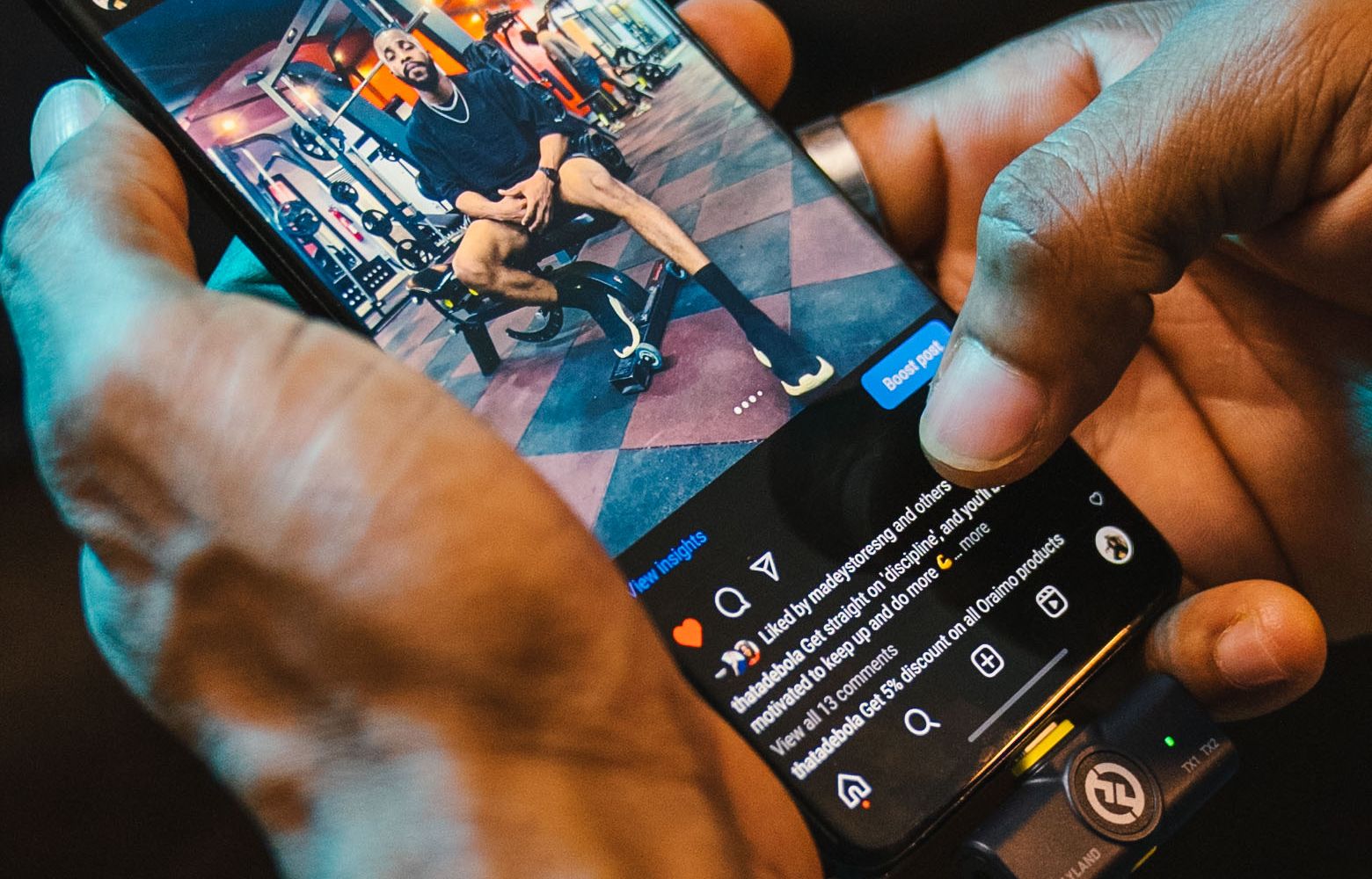
You pick up your phone to check one thing. Forty minutes later you're still scrolling, and somewhere between the vacation photos, the engagement announcements and the perfectly lit morning routines, you started feeling worse about your own life. You didn't decide to feel that way. It just happened, quietly, one swipe at a time.
Research links heavy social media use to higher rates of depression, largely through social comparison, rumination and a growing sense of disconnection, and cutting back to about 30 minutes a day has been shown to reduce loneliness and depression. Psilocybin, used with proper screening and support, has produced rapid improvements in depression in clinical trials, and patients often describe a shift from disconnection to connection. Social media is also where many people first hear about mushrooms, which makes careful guidance and setting more important than ever.
That experience is so common now that most people don't even question it. But researchers have. Over the past decade, a growing body of research has found a consistent link between heavy social media use and depression, especially among young adults and teenagers.12
At the same time, a very different story has been unfolding in psychiatric research: psilocybin, the active compound in magic mushrooms, is showing real promise for depression. And in an interesting twist, social media is also where many people first hear about mushrooms. This article looks at all three, social media, depression and mushrooms, and at what happens where they meet.
Social Media and the Modern Mind
Social media isn't inherently bad. It keeps families connected across continents, gives people community and lets ideas spread in ways that were impossible twenty years ago. But the platforms themselves are built around one goal: keeping you on them as long as possible.
Infinite scroll, autoplay, notifications and likes all work on the brain's reward system. Every refresh is a small gamble. Maybe something exciting is waiting, maybe it isn't. That unpredictability is exactly what makes it so hard to put down.
The result is a mind that rarely gets a moment of stillness. Waiting in line, lying in bed, sitting at a red light, the phone fills every gap. And what fills those gaps matters, because most of what we see is a curated highlight reel of other people's lives.
Scrolling Into Sadness
So what does the research actually say about social media and depression? Quite a lot, and the picture is more interesting than "phones are bad."
Comparing Your Insides to Everyone Else's Outsides
One of the clearest mechanisms researchers have identified is social comparison. A pair of studies by Vogel and colleagues found that people who used Facebook more often had lower self-esteem, and that this was largely explained by upward comparison, measuring themselves against people who seemed to be doing better. When participants were shown profiles of people who looked more successful and active than them, their self-esteem dropped right away.3
This makes sense when you think about what a feed actually is. You are comparing your unfiltered, everyday reality to everyone else's best moments. Nobody posts the argument, the bad diagnosis or the lonely Sunday night. The comparison is rigged from the start.
More Scrolling, More Depression
A national study of 1,787 U.S. adults aged 19 to 32 found that the people who used social media the most were significantly more likely to be depressed than those who used it the least. This held true both for total time spent and for how often people checked their accounts.1
Among teenagers, the trend has been even more striking. Research by Twenge and colleagues found that depressive symptoms and suicide-related outcomes among U.S. adolescents rose sharply after 2010, the same period when smartphones became nearly universal. Teens who spent more time on screens and social media were more likely to report mental health struggles, while those who spent more time on in-person social interaction, sports and homework were less likely to.2
What Happens When People Cut Back
Correlation alone can't tell us whether social media causes depression or whether depressed people simply scroll more. That's why an experiment from the University of Pennsylvania matters so much. Hunt and colleagues randomly assigned 143 students either to keep using social media normally or to limit Facebook, Instagram and Snapchat to 10 minutes each per day for three weeks.4
The group that cut back showed significant reductions in loneliness and depression, and the biggest improvements showed up in people who started out the most depressed.4 The title of the study says it all: No More FOMO.
An Honest Caveat
It's important not to overstate this. A large analysis by Orben and Przybylski at Oxford found that, across hundreds of thousands of adolescents, digital technology use explained only a small fraction of the differences in well-being.5 Social media isn't the sole cause of depression, and plenty of people use it without much harm.
What the research suggests is more nuanced. For some people, especially those who are already vulnerable, the way they use social media can deepen a depression that has roots somewhere else. Which brings us to the second thread.
Depression Runs Deeper Than the Screen
If you deleted every app tomorrow, would the depression disappear? For most people, probably not entirely. Social media tends to amplify what's already there: old wounds, unresolved grief, loneliness, a lost sense of purpose, or a nervous system that never learned to feel safe.
The Rumination Loop
One of the hallmarks of depression is rumination, the repetitive, self-focused thinking that circles the same painful thoughts over and over. Brain imaging research has linked depressive rumination to the Default Mode Network (DMN), a set of brain regions that becomes active when we turn inward and think about ourselves.6
In depression, this network tends to become overactive and rigid, and its connection to a region called the subgenual prefrontal cortex appears to be heightened. The result is a mind that keeps returning to the same thoughts: What's wrong with me? Why am I behind? Why can't I just be happy?6
Now picture feeding that loop hundreds of images a day of people who seem to have it all figured out. Social media doesn't create the rumination loop, but it hands it endless material. For a deeper look at how these brain changes work, see our article on your brain on depression.
Disconnection Is the Common Thread
Underneath it all, many people with depression describe the same feeling: disconnection. Disconnected from themselves, from the people around them, from nature and from any sense of meaning. The cruel irony of social media is that it promises connection while often delivering the opposite. You can be "connected" to a thousand people and still feel completely alone.
Mushrooms: What Psilocybin Does for a Stuck Mind
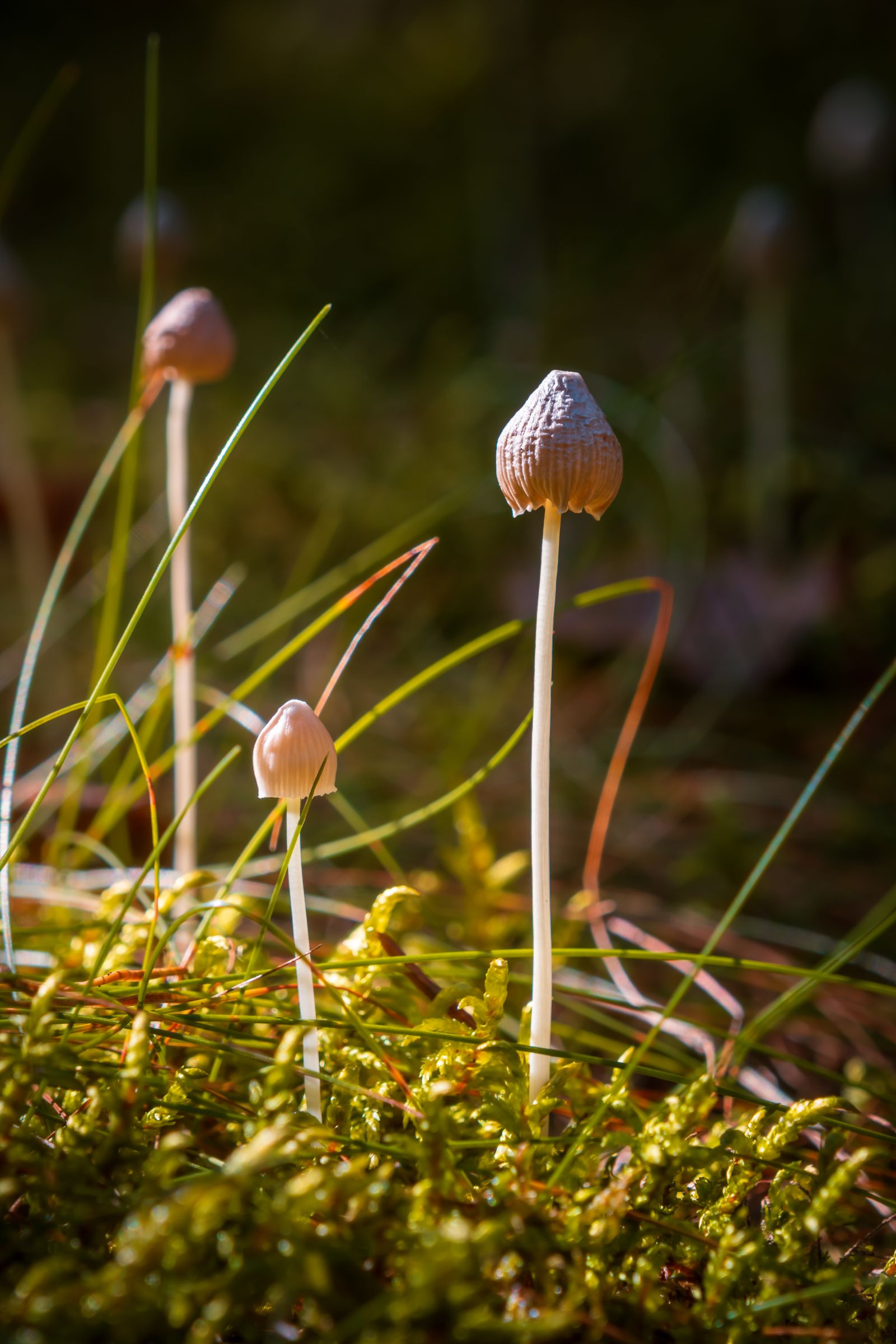
This is where the third thread comes in. Over the past decade, psilocybin has moved from the fringes into some of the world's leading research institutions, and the results for depression have been remarkable.
Interrupting the Rumination Loop
A study led by Carhart-Harris at Imperial College London scanned the brains of patients with treatment-resistant depression before and after psilocybin treatment. Afterward, researchers saw reduced blood flow in the amygdala, the brain's emotional alarm center, and changes in the Default Mode Network. The patients themselves often described the experience as a kind of "reset", and the researchers used similar language to describe what they saw in the brain.7
Clinical Results
A randomized clinical trial at Johns Hopkins University gave participants with major depressive disorder two psilocybin sessions with psychological support. At four weeks, 71% showed a clinically significant response and 54% met the criteria for remission.8 These are striking numbers, especially compared to the weeks or months conventional treatments usually take to work.
From Disconnection to Connection
Perhaps the most meaningful finding for this topic comes from interviews with patients after psilocybin treatment. Watts and colleagues found two major themes in how people described their recovery: a shift from disconnection to connection, and a shift from avoidance to acceptance.9
Patients described feeling reconnected to their own emotions, to other people and to the world around them. That is precisely the thing social media promises and so often fails to deliver.
Coming Back to the Natural World
Research has also found that psychedelic experiences can increase "nature relatedness", a person's sense of being part of the natural world. In a study by Kettner and colleagues, this effect was stronger when the experience happened in a natural setting and when people experienced a deeper dissolving of the ego.10
For someone who has spent years staring at a screen, this matters. Many people come out of a ceremony noticing the trees, the light and the people right in front of them as if for the first time. To learn more about how psilocybin affects the brain, read what psilocybin does to your brain.
Where All Three Meet: Discovering Mushrooms Through a Screen
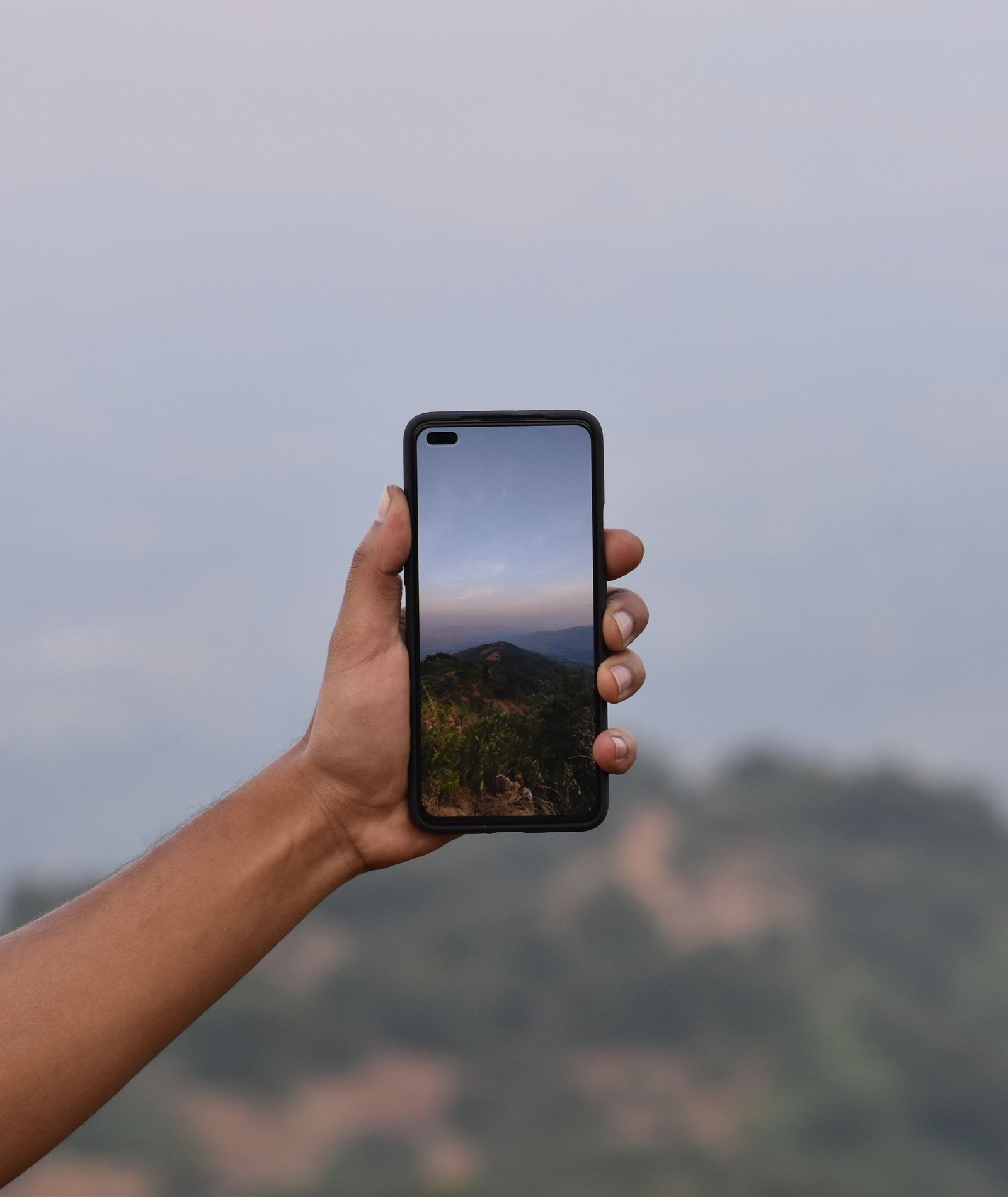
Here is the part almost nobody talks about. For many people, social media is also where they first hear about psilocybin. A podcast clip, a viral testimonial, a documentary trailer, a microdosing influencer with a perfect morning routine. The same platform that may be feeding someone's depression is often what introduces them to a possible way out.
Some of that content is genuinely helpful. It has reduced stigma, spread awareness of serious research and given people language for experiences they couldn't explain. But a lot of it is hype.
The Microdosing Hype
Microdosing is one of the best examples. Social media is full of people crediting tiny doses of mushrooms with transforming their mood, focus and creativity. But when researchers at Imperial College ran a clever "self-blinding" study, where 191 microdosers didn't know whether they were taking psilocybin or a placebo, both groups improved by a similar amount.11
In other words, much of what people attribute to microdosing may be expectation, and that is exactly the kind of nuance that rarely makes it into a 30-second video.
Why Setting and Guidance Matter
The bigger risk is that social media makes psilocybin look casual. The clinical results above didn't come from people taking mushrooms alone in their apartment. They came from carefully screened participants, with preparation beforehand, support during the experience and integration afterward.
Context shapes the experience. That's why set and setting matter so much, and why the research on nature relatedness found the setting itself made a difference.10 Mushrooms are not a content trend. They're a serious tool that deserves respect, preparation and skilled guidance.
Integration: Coming Back to Your Phone Without Going Back to the Loop

One of the most common things people say after a ceremony is that they don't want to reach for their phone the way they used to. The urge to scroll often quiets down for a while. That window is precious, because it's the perfect time to build new habits before old patterns creep back in.
Some simple ways to protect that shift:
- Take a social media break for the first week or two after your ceremony
- Delete the apps that leave you feeling the worst, even if just temporarily
- Keep your phone out of the bedroom, so your mornings and nights are yours again
- Replace scrolling time with something real: a walk, journaling, cooking, a phone call with a friend
- Notice how you feel after you scroll, and let that guide what you keep
- Spend time in nature as often as you can
Remember, the research on cutting back found that even limiting use to about 30 minutes a day made a measurable difference.4 You don't have to disappear from the internet. You just have to stop letting it decide how you feel. For more on this, see our guide to psychedelic integration.
An Important Safety Note
If you're living with depression and considering psilocybin, please don't do it alone or on impulse after watching a video. There are important safety considerations to know about:
- Antidepressants like SSRIs can interact with psilocybin and reduce its effects. Read more in our article on Zoloft and psilocybin
- Never stop medication abruptly. Any tapering must be done slowly and under medical supervision
- People with a personal or family history of psychosis, schizophrenia or bipolar I disorder should not take psilocybin. See who should not take psilocybin
- If you are in crisis or having thoughts of suicide, please reach out to a mental health professional or a crisis line right away
Psilocybin is not a replacement for professional care. Proper screening, preparation and support are what make the difference between a meaningful experience and a risky one. For the full picture, visit our psilocybin safety and preparation guide.
Final Thoughts
Social media, depression and mushrooms are more connected than they first appear. Social media can deepen depression through comparison, rumination and disconnection. Depression itself runs deeper than any app, rooted in the patterns of a mind that has gotten stuck. And psilocybin, used with care, appears to help people break those patterns and reconnect with themselves, with others and with the world.
The irony is that many people find their way to mushrooms through the very screens that weighed them down. That's not a bad thing. It just means the real work starts when you put the phone down.
You are not your feed. You are not the comparison. And the stuck feeling is not permanent.
If you're curious about what a guided, private experience looks like, you can learn more about our private mushroom ceremonies in Mexico, held with careful preparation, one-on-one support and integration afterward.
Related Articles
- Your Brain on Depression — How depression changes the brain and why neuroplasticity offers hope for recovery.
- What Does Psilocybin Do to Your Brain? — How psilocybin affects brain networks, the Default Mode Network, and neuroplasticity.
- Are the Effects of Psilocybin Permanent? — How long psilocybin's effects on the brain and mood actually last.
- What Is Set and Setting? — Why mindset and environment shape the psilocybin experience.
- Psychedelic Integration — How to carry the insights from your ceremony into everyday life.
References
1. Lin, L. Y., et al. (2016). "Association between social media use and depression among U.S. young adults." Depression and Anxiety, 33(4), 323–331.
2. Twenge, J. M., et al. (2018). "Increases in depressive symptoms, suicide-related outcomes, and suicide rates among U.S. adolescents after 2010 and links to increased new media screen time." Clinical Psychological Science, 6(1), 3–17.
3. Vogel, E. A., et al. (2014). "Social comparison, social media, and self-esteem." Psychology of Popular Media Culture, 3(4), 206–222.
4. Hunt, M. G., et al. (2018). "No more FOMO: Limiting social media decreases loneliness and depression." Journal of Social and Clinical Psychology, 37(10), 751–768.
5. Orben, A., & Przybylski, A. K. (2019). "The association between adolescent well-being and digital technology use." Nature Human Behaviour, 3(2), 173–182.
6. Hamilton, J. P., et al. (2015). "Depressive rumination, the default-mode network, and the dark matter of clinical neuroscience." Biological Psychiatry, 78(4), 224–230.
7. Carhart-Harris, R. L., et al. (2017). "Psilocybin for treatment-resistant depression: fMRI-measured brain mechanisms." Scientific Reports, 7, 13187.
8. Davis, A. K., et al. (2021). "Effects of psilocybin-assisted therapy on major depressive disorder: A randomized clinical trial." JAMA Psychiatry, 78(5), 481–489.
9. Watts, R., et al. (2017). "Patients' accounts of increased 'connectedness' and 'acceptance' after psilocybin for treatment-resistant depression." Journal of Humanistic Psychology, 57(5), 520–564.
10. Kettner, H., et al. (2019). "From egoism to ecoism: Psychedelics increase nature relatedness in a state-mediated and context-dependent manner." International Journal of Environmental Research and Public Health, 16(24), 5147.
11. Szigeti, B., et al. (2021). "Self-blinding citizen science to explore psychedelic microdosing." eLife, 10, e62878.