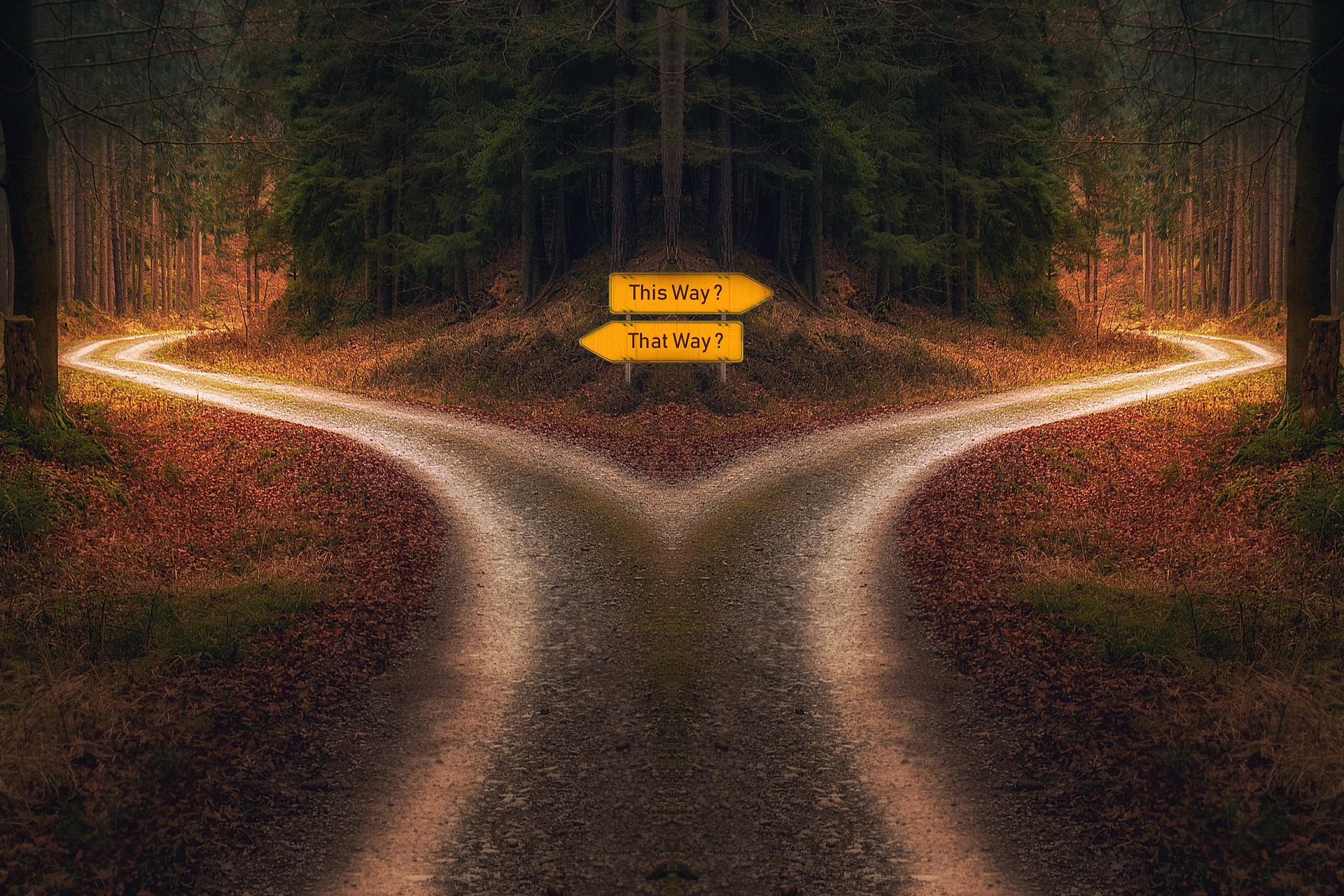
Private vs. Group Psilocybin Ceremony: Which Setting Works Best for Veterans?
Which Setting Works Best for Veterans?
Veterans considering psilocybin therapy often face an important question: should the experience take place in a private setting or in a group ceremony?
Private ceremonies are generally the better choice for veterans. Trauma responses can be unpredictable and require immediate, undivided facilitator attention — something group settings cannot guarantee. A one-on-one format allows the facilitator to tailor the experience to the veteran's specific trauma history, medications, and readiness.
Both formats can offer meaningful experiences, but for many veterans — especially those working through trauma, PTSD, or deep emotional material — a private, individualized setting often provides a safer and more effective context for introspection and healing.
Below we explore why this is the case, grounded in evidence from peer-reviewed research and established therapeutic principles.
The Role of Environment in Psychedelic Therapy
One of the fundamental principles in psychedelic research is that "set and setting" profoundly shape outcomes. The term set refers to a person's mindset and expectations, while setting refers to the physical, social, and relational environment in which the experience unfolds.
Research shows that supportive, predictable environments enhance emotional safety and therapeutic benefit, whereas unpredictable or overstimulating environments can increase anxiety and reduce focus on internal work.1
For veterans — many of whom may have been conditioned to monitor their surroundings due to military training or trauma — environments with unexpected movement, emotional expression from others, or fluctuating sensory stimuli can make it harder to settle into the inward work that psilocybin facilitates.
Group Ceremonies: Benefits and Limitations
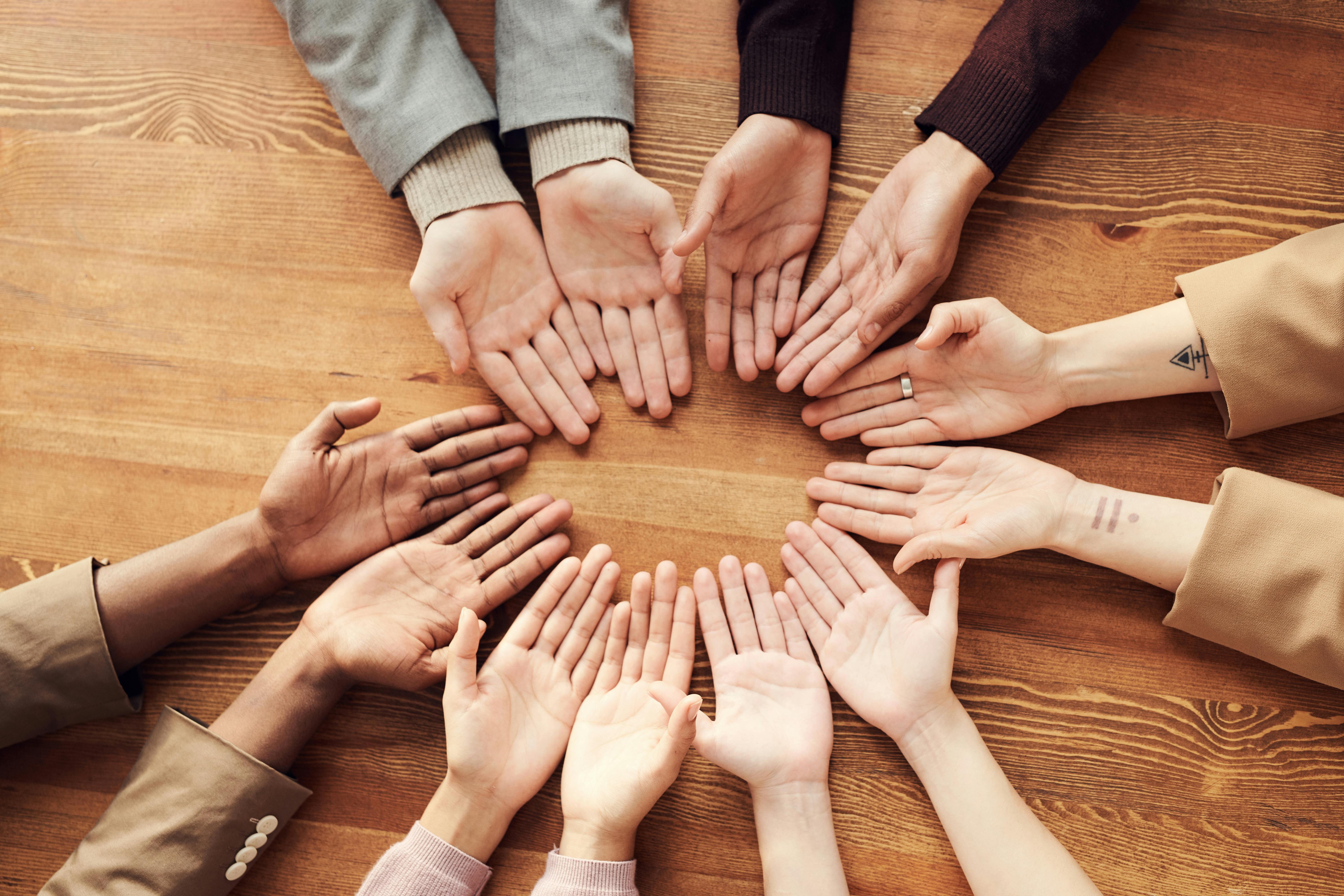
Group ceremonies have strengths that align with certain therapeutic goals:
- They can foster a sense of shared humanity and mutual support.
- Group formats may enhance accessibility and affordability.
- Research indicates that group psychedelic experiences can contribute to positive psychological outcomes, including increased social connectedness and community support.2
However, group settings also bring variables that are not always conducive to deep personal processing.
In any group, multiple individuals may experience intense emotions simultaneously. This can lead to:
- Emotional expressions that draw attention outward instead of inward.
- Sensory variation caused by others' movement or emotional shifts.
- Changes in tone or rhythm within the shared space that may interrupt personal focus.
In trauma-informed care research outside of psychedelics, studies show that listening to others' emotional narratives can sometimes trigger stress responses in trauma survivors, complicating their own processing.3 This suggests that, for some individuals, group environments may introduce emotional signals that interfere with therapeutic focus.
Why Private Ceremonies Can Be More Supportive for Veterans
When a psilocybin experience is held privately — meaning one veteran with one facilitator or pair of facilitators in a controlled, personalized setting — several important advantages emerge:
Focused Emotional Support
In a private ceremony, facilitators can direct their attention fully toward the individual participant. This creates a sense of safety and continuity throughout the experience, which research has identified as a contributor to better therapeutic outcomes in trauma-related work.1
Predictable, Calm Setting
Without the presence of unfamiliar participants or the sensory fluctuations common to group settings, the environment remains stable and predictable. This helps many veterans stay grounded, lowering the likelihood of external distraction during vulnerable moments.
Personalized Preparation and Integration
Preparation before and integration after the psychedelic experience are critical to long-term benefit. In private formats, these stages can be tailored to the individual's history, intentions, and emotional landscape, improving the overall therapeutic arc of the journey.
What the Research Tells Us
While psychedelic research is rapidly evolving, several themes are consistently supported in the scientific literature:
- Therapeutic setting matters. Features such as familiarity, predictability, and supportiveness are linked to more positive outcomes in clinical trials.1
- Group experiences can contribute to psychological benefits, but they also introduce variables (social and sensory) that may not support every individual's inner focus or emotional safety.2
- Trauma-informed care emphasizes tailored support. In therapies addressing complex trauma, individualized approaches tend to enhance safety and processing capacity, as compared with group-based modalities.3
Taken together, this body of research suggests that private settings, with individualized support and controlled environments, are often better suited for veterans engaging in deep emotional work with psilocybin.
Making the Choice That Fits You
The decision between private and group ceremonies is personal, and both formats can offer meaningful experiences. However, veterans who are seeking focused emotional exploration, minimal external interference, and personalized support frequently find that private settings better meet those needs.
If your priority is connection, shared energy, and experiencing a sense of community, a group setting may be appropriate for you. However, if your focus is to work through deep emotional material in a stable environment, a private psilocybin ceremony may be the setting that best supports your intentions.
Ultimately, the best choice depends on your personal goals and comfort — whether you seek the shared energy of a group or the focused, guided support of a private ceremony, selecting the setting that feels right for you is the first step toward a safe and meaningful psilocybin experience.
Related Articles
- Veterans and Psilocybin — The broader picture of veteran healing through mushroom ceremonies.
- Why Some People Choose Private Psilocybin Experiences — The motivations behind choosing private over group.
- Retreat vs. Private Mushroom Ceremony — A detailed comparison of both formats.
- Is Psilocybin Therapy Safe for Veterans? — Safety considerations for veterans.
- Moral Injury vs PTSD: Why Many Veterans Carry Both — Understanding the trauma veterans carry.
References
1. Carhart-Harris, R. L., et al. (2018). "Psilocybin with psychological support for treatment-resistant depression: six-month follow-up." Psychological Medicine, 48(15), 2517-2527.
2. Watts, R., et al. (2021). "Patients' accounts of increased 'connectedness' and 'acceptance' after psilocybin for treatment-resistant depression." Journal of Humanistic Psychology, 57(5), 520-564.
3. Najavits, L. M., & Walsh, M. (2012). "Group therapy for trauma survivors: influence of listening and sharing." Journal of Trauma and Dissociation, 13(5), 529-547.