
Isolation, Identity, and Life After the Military
There is a particular kind of loneliness that comes after leaving the military. It is not the loneliness of being alone. It is the loneliness of being surrounded by people who do not understand.
Many veterans experience a deep isolation after leaving the military — not from being physically alone, but from losing the brotherhood, the shared purpose, and the identity that service provided. Psilocybin can help veterans reconnect with themselves and others by dissolving the walls that years of self-protection have built, reminding them that the capacity for belonging was never destroyed, only buried.
You can be at a family dinner, a work event, a party, a bar — and feel completely, thoroughly invisible. Not because people are ignoring you. But because the version of yourself that exists in their world does not feel like the real one.
The real one is somewhere else. The real one is still back there — in the unit, in the field, in a place where everything made sense because the mission was clear and the people beside you understood without explanation.
And now you are here, and nothing feels like that anymore.
The Brotherhood That Disappears
Nothing in civilian life replicates the bond forged in military service. This is not sentimentality. It is a neurological and psychological reality. When people share extreme stress, danger, deprivation, and purpose, the brain forms attachments that are different in quality from anything else.1
In the military, you do not choose your brothers and sisters. They are assigned to you, and through shared suffering and shared mission, they become the most important people in your world. You eat together, sleep in the same room, face the same threats, carry the same weight. You know each other's rhythms, fears, and strengths in a way that most married couples never will.
And then, one day, it ends.
Not gradually. Not gently. You process out, you fly home, and suddenly the people who made up the fabric of your daily existence are scattered across the country — or the world. You text sometimes. You call on holidays. But the daily, lived, physical presence of that community is gone.
And nothing replaces it.
When Your Identity Was Your Service
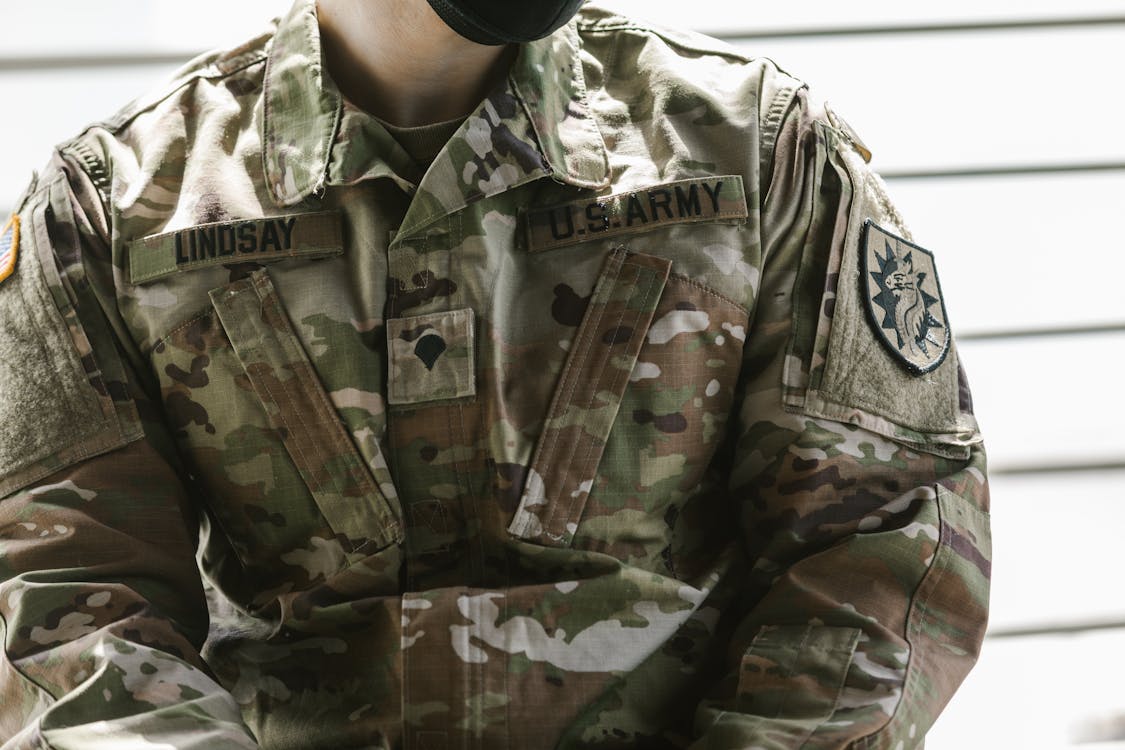
For many veterans, the military was not just a job. It was an identity. You were a Marine. You were a medic. You were an infantryman. You were part of something larger than yourself, with a clear purpose, a defined role, and an unambiguous sense of belonging.
The uniform told the world who you were. The rank structure told you where you fit. The mission told you what mattered. Every question about meaning, purpose, and identity had an answer built into the structure of military life.
When that structure is removed, many veterans do not just feel lost. They feel erased.
Who are you when you are no longer a soldier? What do you do when the thing that gave your life meaning is over? How do you introduce yourself at a party when the most significant thing about you is something most people cannot relate to and many would rather not hear about?
Some veterans reinvent themselves successfully. Many do not — at least not right away. And the gap between who they were in uniform and who they are expected to be as civilians can become a kind of abyss that swallows everything.2
The Isolation That Grows
The isolation does not usually hit all at once. It builds slowly.
At first, you are just adjusting. Then you notice that small talk feels unbearable. Coworkers complain about things that seem laughably insignificant. Friends from before your service feel like strangers. Family members tiptoe around you or ask questions that reveal how little they understand.
You start declining invitations. You stop calling people back. You tell yourself you just need space, or that you prefer being alone. But the truth is that being around people who do not understand feels worse than being alone.
And so the world gets smaller. The apartment gets quieter. The phone rings less. And the space between you and everyone else grows until it feels permanent — like this is just who you are now.
A veteran who cannot be alone with others. A person who is most lonely in a crowd.
What Psilocybin Can Open
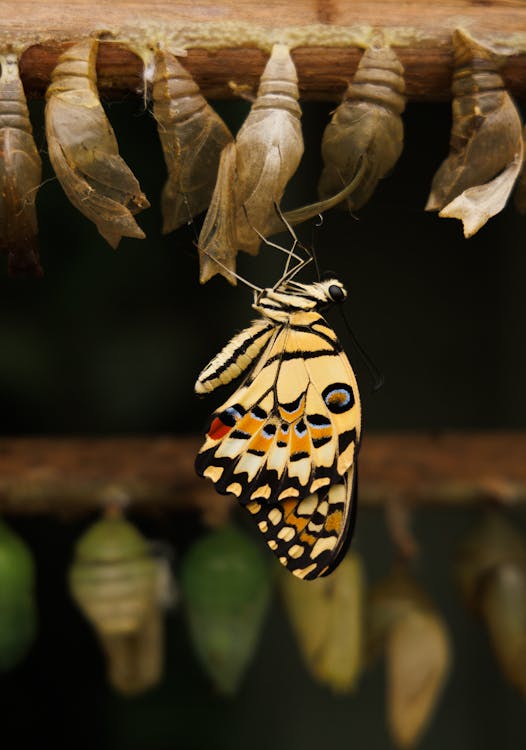
One of the most consistently reported effects of psilocybin, across populations and study designs, is a profound sense of connection. Connection to other people. Connection to nature. Connection to something larger than the self. And perhaps most importantly for veterans — connection to parts of themselves that have been walled off.3
This is not a vague, abstract feeling. Veterans who have been through psilocybin therapy describe it in concrete terms:
- "I felt like I was part of something again."
- "I could feel the people in the room with me, and I trusted them. I had not trusted anyone in years."
- "I realized I had been punishing myself by pushing everyone away."
- "I saw my wife's face and understood, for the first time since I came home, that she was not the enemy."
- "I felt like I existed again. Not the soldier version. Not the broken version. Just me."
Psilocybin does not give veterans a new identity. It helps them reconnect with the one they buried. The person who existed before the training, before the combat, before the armor — the person who could feel things fully, who could be vulnerable without seeing it as weakness, who could belong without needing a rank structure to define their place.
Feeling "Part of Something" Again
One of the deepest wounds of post-military isolation is the loss of belonging. Not belonging to a group, a club, or an organization — but that bone-deep sense of being part of something that matters. Of waking up and knowing your existence has a purpose that is shared with others.
During a psilocybin ceremony, many veterans experience exactly this. Not as an idea, but as a felt reality. The boundaries between self and other soften. The walls that have kept them separated from the world become transparent. They feel, often for the first time in years, that they are not alone — not in the superficial sense of having people around, but in the deeper sense of being woven into something larger.
This experience does not replace the military brotherhood. Nothing can. But it can remind a veteran that connection is still possible — that the capacity for it was never destroyed, only buried under years of isolation and self-protection.
After the Ceremony

The experience itself is only the beginning. Integration is where the reconnection becomes real and sustainable. It is where a veteran takes the felt sense of belonging from the ceremony and begins, slowly, to rebuild connections in their daily life.
This might look like:
- Reaching out to an old friend
- Saying yes to an invitation they would have declined
- Being honest with a family member about what they are going through
- Joining a veteran support group — not because they "should," but because they genuinely want to
- Allowing themselves to be seen without their armor
None of this is easy. But the ceremony can create a crack — a moment where the isolation feels like a choice rather than a sentence. And that shift in perspective, small as it sounds, can change everything.
You Are Not Broken
If you are a veteran reading this, and you recognize yourself in these words — the isolation, the lost identity, the shrinking world — know that you are not broken. You are adapted. You are carrying patterns that were necessary for survival, and those patterns are now making it harder to live.
That is not a character flaw. That is a wound. And wounds can heal.
Psilocybin is not a magic solution. It will not give you back your unit. It will not replace what you lost. But it can help you remember who you are underneath the armor — and begin the work of building a life that includes connection, meaning, and belonging again.
You were part of something extraordinary. That capacity for belonging did not leave you when you left the service. It is still there. Buried, maybe. Guarded, certainly. But still there.
And it is worth finding again.
Related Articles
- Psilocybin Therapy for Veterans — A comprehensive guide to how psilocybin is being used to support veteran healing.
- Veteran Psychedelic Integration — Why integration is essential for turning ceremony insights into lasting change.
- Why Integration Is Especially Important for Veterans — The unique challenges veterans face in translating psychedelic insights into daily life.
- Why Some Veterans Are Afraid of Losing Control — Understanding the fear of surrender and what actually happens during a ceremony.
- Moral Injury vs PTSD — The dual wounds of combat and how psilocybin may help address both.
References
1. Shay, J. (2014). "Moral injury." Psychoanalytic Psychology, 31(2), 182–191.
2. Smith, R. T., & True, G. (2014). "Warring identities: Identity conflict and the mental distress of American veterans of the wars in Iraq and Afghanistan." Society and Mental Health, 4(2), 147–161.
3. Watts, R., et al. (2017). "Patients' accounts of increased 'connectedness' and 'acceptance' after psilocybin for treatment-resistant depression." Journal of Humanistic Psychology, 57(5), 520–564.