First Responders and Veterans: The Overlap in Trauma
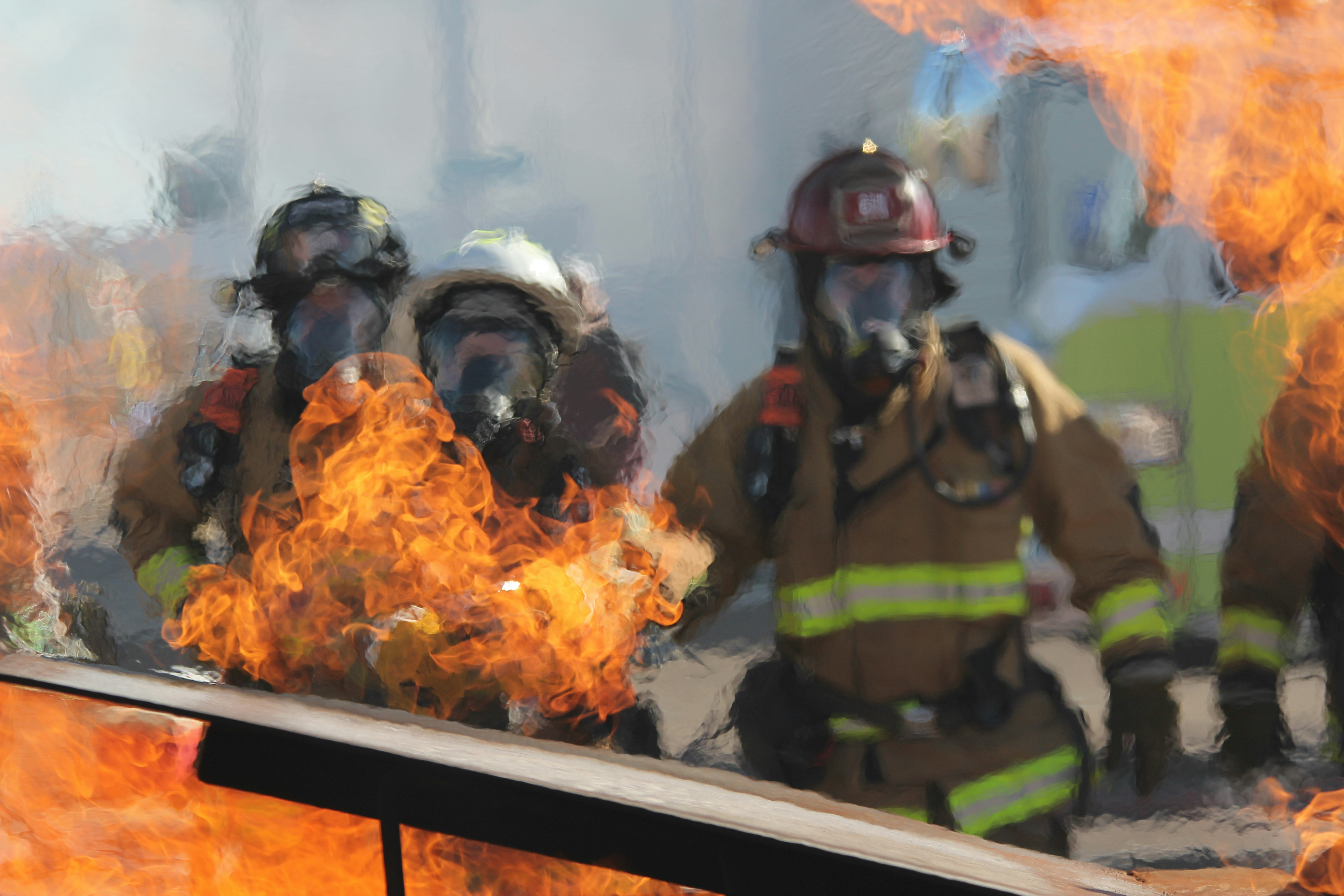
When people think about trauma from service, they usually think of combat veterans. But there is another population that faces strikingly similar psychological wounds: first responders — firefighters, paramedics, law enforcement officers, and emergency medical technicians who confront human suffering as part of their daily work.
First responders and military veterans share remarkably similar trauma profiles: repeated exposure to death and suffering, hypervigilance, moral injury, and a culture that punishes vulnerability. Psilocybin research in veteran populations is directly applicable to first responders, and private ceremony settings are well suited to both communities because they offer safety outside institutional frameworks.
The overlap between veteran trauma and first responder trauma is not coincidental. Both populations share exposure patterns, coping cultures, and psychological outcomes that are remarkably parallel. Understanding this overlap matters — not just for recognition, but because it has direct implications for how we approach healing, including with emerging tools like psilocybin-assisted therapy.
This article is part of our broader resource on Psilocybin Therapy for Veterans.
Shared Trauma Patterns
Veterans and first responders don't typically experience trauma as a single catastrophic event. Instead, they face repeated, cumulative exposure to traumatic situations over months or years. This pattern of chronic exposure creates a distinct psychological profile that differs from single-incident trauma.1
The shared exposure patterns include:
- Witnessing death and severe injury — not once, but as a recurring feature of the job
- Making life-or-death decisions under pressure — with incomplete information and no time to deliberate
- Exposure to human suffering — including children, families, and situations that defy comprehension
- Physical danger to oneself — the constant awareness that any shift or deployment could be the last
- Helplessness — arriving too late, being unable to save someone, watching situations unfold that cannot be stopped
Research has documented that first responders develop PTSD at rates comparable to combat veterans — approximately 15-30% depending on the study and the specific occupation, compared to 11-20% for military veterans.2 These are not small numbers. They represent hundreds of thousands of individuals carrying unresolved psychological trauma.
Hypervigilance: The Shared Survival Mode
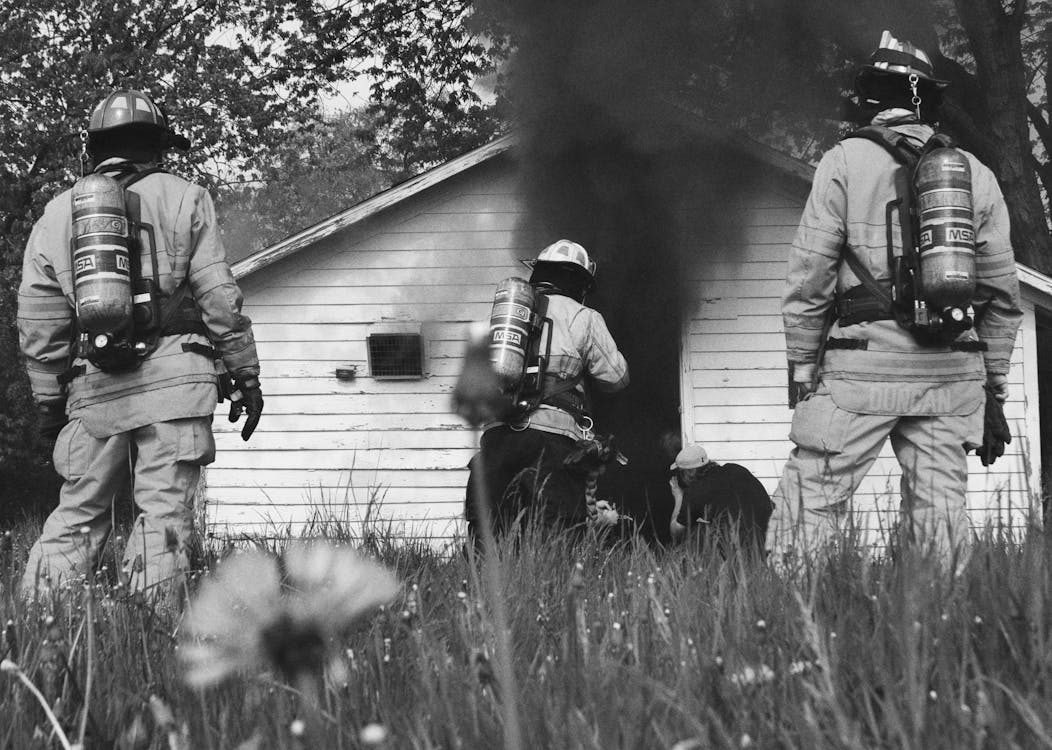
Both veterans and first responders develop hypervigilance — a state of heightened alertness that was essential for survival in their professional environment but becomes debilitating in civilian or off-duty life.
For veterans, hypervigilance was trained into them through combat exposure. For first responders, it develops through years of responding to emergencies where missing a detail could mean someone dies.
The neurological mechanism is the same: the amygdala — the brain's threat detection center — becomes overactive, while the prefrontal cortex's ability to regulate the stress response diminishes over time. The brain gets stuck in threat mode, scanning for danger even during a family dinner or a walk through a park.1
This shared neurological pattern is significant for psilocybin research because psilocybin has been shown to modulate amygdala reactivity and restore connectivity between brain regions involved in emotional regulation — a mechanism that would be relevant for both populations.3
Moral Injury: Not Just a Military Problem
Moral injury — the psychological damage that occurs when someone does, witnesses, or fails to prevent something that violates their core values — has been studied extensively in military contexts. But first responders experience moral injury at comparable rates.2
Examples of moral injury in first responders include:
- Paramedics who could not save a child despite doing everything right
- Firefighters who had to choose which building to enter when both had people inside
- Law enforcement officers who question whether their use of force was justified, years after the fact
- Emergency dispatchers who listened to someone die on the phone because help couldn't arrive in time
These experiences create the same guilt, shame, and existential questioning that combat veterans face. And like veterans, first responders rarely have access to therapeutic frameworks that address moral injury directly. Standard trauma therapy focuses on fear processing, not on the deeper questions of meaning, guilt, and self-forgiveness. For more on this topic, see our article on moral injury vs PTSD.
The Culture of Toughness
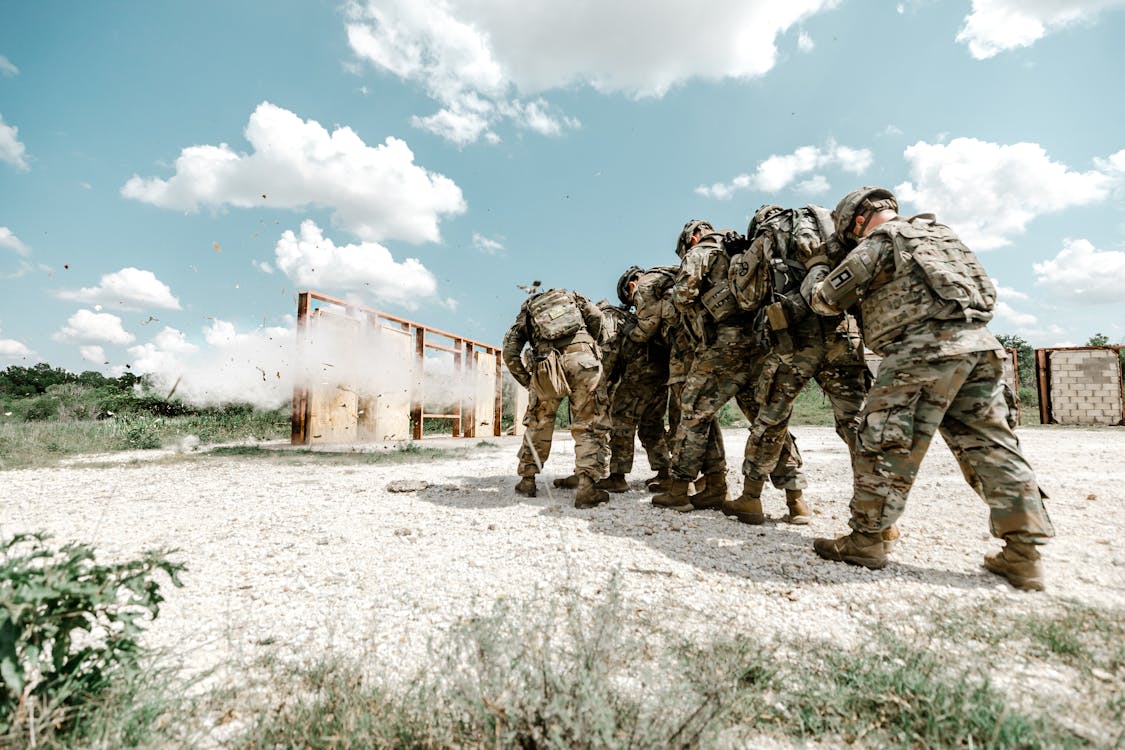
Perhaps the most damaging similarity between veterans and first responders is the cultural expectation that they will not break.
In both communities, there is a deeply embedded code:
- Don't show weakness
- Don't talk about what bothers you
- Handle it internally
- If you can't handle it, you're not cut out for this job
This culture serves a short-term function — it keeps teams cohesive and operational under extreme conditions. But over the long term, it creates populations of individuals who are suffering silently, self-medicating with alcohol, losing relationships, and dying by suicide at rates that far exceed the general population.4
The stigma around mental health treatment is equally strong in both communities. Seeking help is often perceived as an admission of inadequacy. This is why many veterans and first responders avoid traditional therapy entirely — not because they don't need it, but because the act of asking for help conflicts with their identity.
Why Psilocybin Research Applies to Both
Most psilocybin research to date has focused on depression, anxiety, and addiction, with emerging studies specifically targeting PTSD in veteran populations. However, the mechanisms by which psilocybin appears to help — reduced amygdala reactivity, increased neural connectivity, enhanced emotional processing, and increased psychological flexibility — are directly relevant to the trauma profiles of first responders as well.35
Key findings applicable to both populations include:
- Psilocybin reduces hyperactive threat responses in the amygdala, which is central to the hypervigilance experienced by both veterans and first responders3
- Psilocybin increases connectivity between brain regions involved in self-reflection and emotional regulation, which may help process cumulative trauma3
- Participants in psilocybin studies consistently report increased empathy, self-compassion, and perspective shifts — outcomes that directly address moral injury5
- The therapeutic window created by psilocybin — a period of increased neuroplasticity following the session — allows for the kind of deep emotional processing that cumulative trauma requires3
Why Private Ceremony Settings Work for Both
Clinical research environments — with their fluorescent lighting, paperwork, and institutional feel — often trigger the same associations that make veterans and first responders uncomfortable in traditional therapy settings. These are populations that have spent their careers in institutions. They don't need another one.
Private ceremony settings offer something different:
- Intimacy and privacy — no waiting rooms, no other patients, no institutional context
- A safe space for vulnerability — which is fundamentally different from what either community is used to
- One-on-one facilitation — personalized attention from someone who understands the unique trauma profiles of service-oriented individuals
- Permission to feel — in a setting that has no connection to the professional identity that demands toughness
For many veterans and first responders, a private ceremony is the first time they have been in an environment specifically designed for them to let their guard down. And for populations that have spent years — sometimes decades — with their guard up, this is not a minor detail. It is foundational to the healing process.
Conclusion
Veterans and first responders share more than a commitment to service. They share exposure patterns, neurological adaptations, cultural barriers, and psychological wounds that are remarkably similar. The trauma they carry is not identical, but it rhymes.
As psilocybin research continues to advance, it is important that the findings being generated in veteran populations are understood as broadly applicable to first responders as well. Both communities deserve access to healing tools that match the depth of what they have experienced.
For more information, visit our complete guide to Psilocybin Therapy for Veterans and learn about PTSD and psilocybin therapy.
Related Articles
- Psilocybin Therapy for Veterans — The complete guide to psilocybin-assisted healing for military veterans.
- PTSD and Psilocybin Therapy — How psilocybin addresses the root mechanisms of post-traumatic stress.
- Moral Injury vs PTSD — Understanding the two dimensions of trauma in service-oriented populations.
- Psilocybin and Anger — How suppressed anger surfaces and heals during psilocybin experiences.
- Why Some Veterans Try Everything Before Psychedelics — The long treatment journey that precedes psilocybin for many service members.
References
1. Berger, W., Coutinho, E. S., Figueira, I., et al. (2012). "Rescuers at risk: A systematic review and meta-regression analysis of the worldwide current prevalence and correlates of PTSD in rescue workers." Social Psychiatry and Psychiatric Epidemiology, 47(6), 1001–1011.
2. Jones, S., Nagel, C., McSweeney, J., & Curran, G. (2018). "Prevalence of posttraumatic stress disorder and moral injury among first responders: A systematic review." Journal of Traumatic Stress, 31(4), 476–491.
3. Carhart-Harris, R. L., Roseman, L., Bolstridge, M., et al. (2017). "Psilocybin for treatment-resistant depression: fMRI-measured brain mechanisms." Scientific Reports, 7, 13187.
4. Stanley, I. H., Hom, M. A., & Joiner, T. E. (2016). "A systematic review of suicidal thoughts and behaviors among police officers, firefighters, EMTs, and paramedics." Clinical Psychology Review, 44, 25–44.
5. Goodwin, G. M., Aaronson, S. T., Alvarez, O., et al. (2022). "Single-dose psilocybin for a treatment-resistant episode of major depression." New England Journal of Medicine, 387(18), 1637–1648.