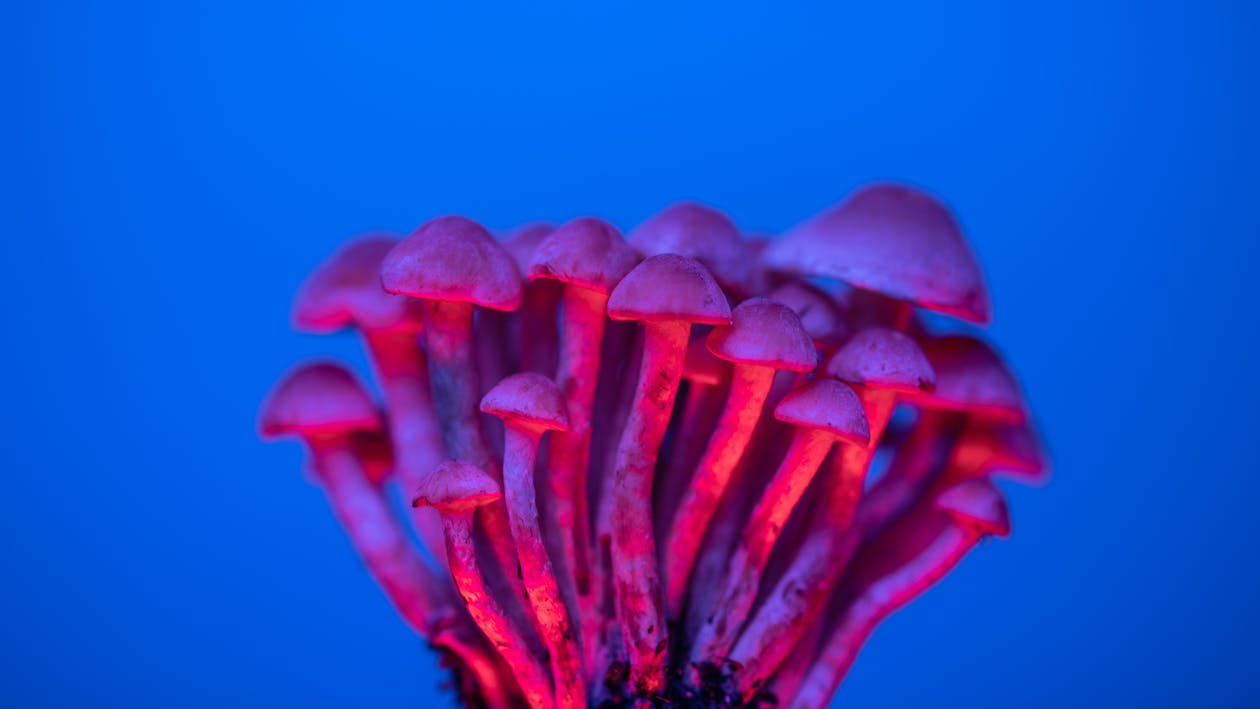
Who Grows Your Mushrooms Shapes Your Ceremony
Most people think mushrooms are all the same. They focus on the strain name, the size, or how many grams they are getting. But mushrooms are not manufactured products — they are grown. The person growing them plays a much bigger role in the final result than most people realize.
The person who grows your mushrooms plays a much bigger role in the quality and experience than most people realize. Intentional growers who harvest at the right time, dry properly, and prioritize care over yield produce mushrooms that are fundamentally different from mass-produced ones. In many ways, the ceremony begins with the grower.
Two growers can use the exact same genetics and still produce very different mushrooms. The difference often comes down to what the grower cares about. Some growers are focused on producing as much weight as possible as quickly as possible. Others focus on healthy mushrooms, harvesting them at the right time, drying them properly, and ensuring consistency. Those approaches may produce mushrooms that look similar, but they are not the same in quality or intention.
Bigger Is Not Always Better
People often assume bigger mushrooms are better, but that is not always true. In mass production, mushrooms are often allowed to grow as large as possible because larger mushrooms weigh more and sell for more money. The goal here is yield and size, not quality.
Experienced cultivators often harvest mushrooms earlier, right when the veil begins to break. At this stage, mushrooms tend to dry better, store better, and have more consistent potency. Growing for maximum size and growing for quality are two very different goals, and the grower's priorities determine which one you get.
Intentional Growing vs Production Growing
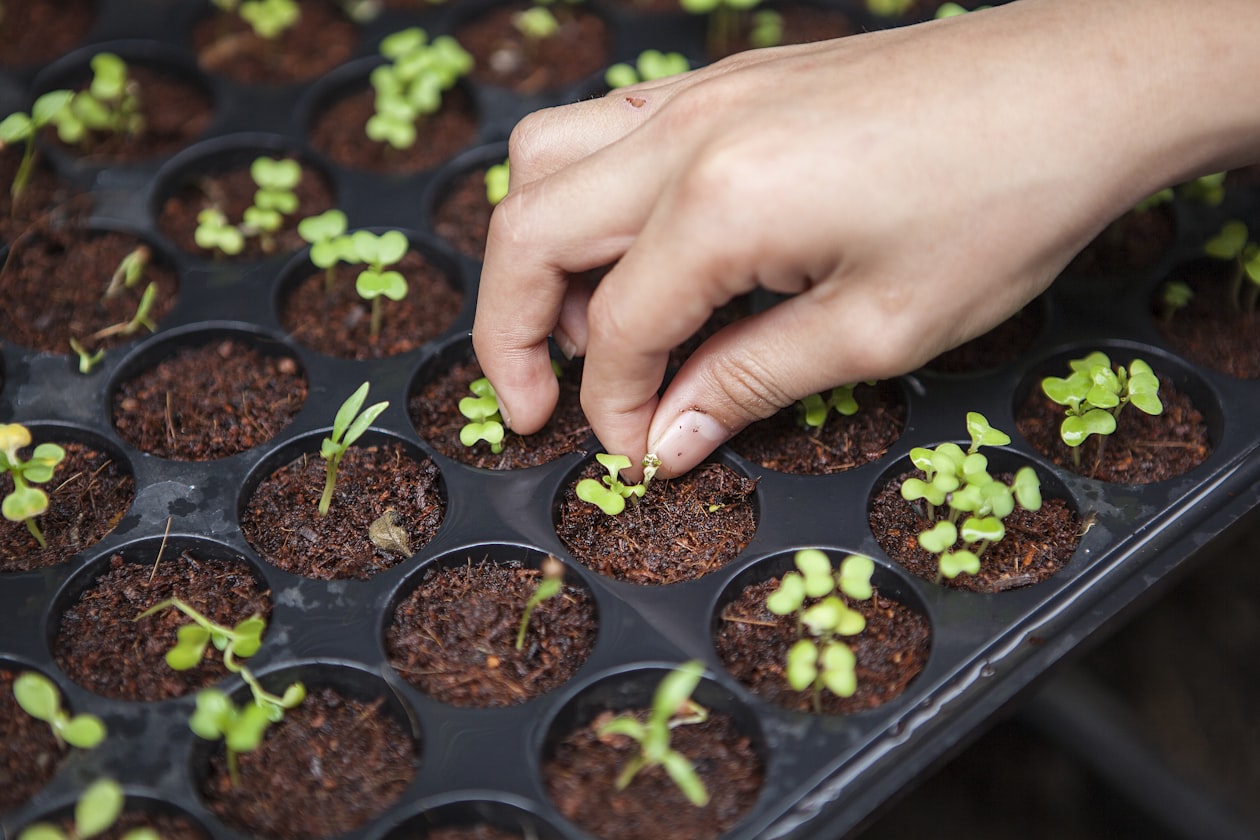
Production-focused growers often prioritize speed and yield. They may allow mushrooms to grow as large as possible, harvest quickly, and focus on output rather than quality.
Intentional growers prioritize care, attention, and timing. They monitor conditions carefully, harvest at the optimal moment, and dry and store mushrooms thoughtfully. They are thinking about the person who will eventually consume them, not just the numbers on a scale.
The difference may not always be visible on the outside, but it is reflected in the mushroom's potency, consistency, and the overall experience of consuming it.
The Idea of Energy in the Growing Process
This may not be scientific, but many cultures already believe something similar when it comes to food. In Muslim tradition, halal meat is believed to be better for the person consuming it if the animal is raised and treated well. If an animal lived in stress, poor conditions, or was treated badly, that suffering is believed to carry into the meat. Whether literal or metaphorical, the idea is simple: the way something is raised, grown, and handled matters. Care, attention, and intention change the final result.
The same applies to mushrooms. They are sensitive organisms that respond to their environment. A grower who is patient and attentive produces something very different than someone rushing just to maximize output. Many people who work with mushrooms in ceremonial or intentional settings believe the grower's energy and intention carry forward into the mushroom itself.
Where you get your mushrooms and who grows them matters deeply. Mushrooms from a careful, intentional grower are often very different from mushrooms grown quickly, handled roughly, or passed through multiple middlemen. In ceremonial settings, the experience is not only influenced by the setting, the guide, and your mindset, but also by the grower. In that sense, the ceremony begins weeks earlier, when someone starts cultivating the mushrooms. Their care, attention, and intention all become part of the journey you will experience.
Buying From a Grower vs Buying From a Dealer
Dealers are usually middlemen. They often do not know when the mushrooms were grown, how they were dried, how they were stored, or how strong they are.
Growers know the full life cycle of their mushrooms: the genetics, the substrate, the growing conditions, harvest timing, and storage. This knowledge, care, and connection make a big difference in consistency, potency, and the trust you can place in the product.
The Difference Is Often the Grower
At the end of the day, people often focus on strains, size, or price, but the biggest difference in mushrooms is often the grower. Mushrooms grown with care, patience, knowledge, and intention are different from those grown as quickly as possible for mass distribution. They may look similar, but the process behind them is completely different.
A mushroom is not just a product; it is something grown by a person with intention. And in many ways, the grower becomes part of the mushroom, and the mushroom becomes part of the ceremony.
Related Articles
- What Respect for the Mushroom Really Means — Why intention and reverence shape the experience.
- Psilocybin Safety and Preparation — The complete safety guide for mushroom ceremonies.
- What Actually Happens During a Psilocybin Ceremony — What to expect during the experience itself.
- Choosing a Psilocybin Facilitator — Why the person guiding you matters just as much.
- What Is Set and Setting? — The two factors that shape every psychedelic experience.